5min read

Authors
Saiteja Sriramagiri
Ted Persson
Founded in Eindhoven, the Netherlands, EUCLYD is raising over €200 million, co-led by Scaleup Europe Fund, managed by EQT, Samsung Catalyst Fund, Somerset Capital Partners, and Innovation Industries.
We are investing because the economics of AI are moving from training to inference, while the hardware stack was built for the former.
“Europe has spent decades building some of the world's deepest semiconductor and systems-engineering expertise. What companies like EUCLYD need now is the ambition and capital to turn that foundation into globally competitive technology companies. The Scaleup Europe Fund brings both the scale of investment and the long-term European perspective that makes it a particularly strong partner for the journey we're embarking on.”
Bernardo Kastrup, Founder and CEO, EUCLYD
In 1977, accepting the Turing Award, John Backus spent much of his lecture complaining about a tube. The tube connected a processor to its memory and could carry one word at a time. He called it the von Neumann bottleneck.
Forty-nine years later, the tube is wider and the processor is a GPU. The complaint still stands. Moving data out of memory costs far more energy than doing arithmetic on it. For decades, this was an engineering tax. At inference scale, it becomes a gross-margin problem.
Training is how a model gets made. It is experimental: architectures change, runs fail, and nobody knows in March what researchers will want to try in June. Flexibility is worth paying for. GPUs won this market because they can run almost anything thrown at them, and they deserved to.
Inference is how a model gets used. Once deployed, the weights are largely fixed, the computation becomes more predictable, and the same model may answer millions of requests each day. Every token consumes memory bandwidth, rack capacity and power. The cost lands directly in the economics of the product.
Thousands of short tubes
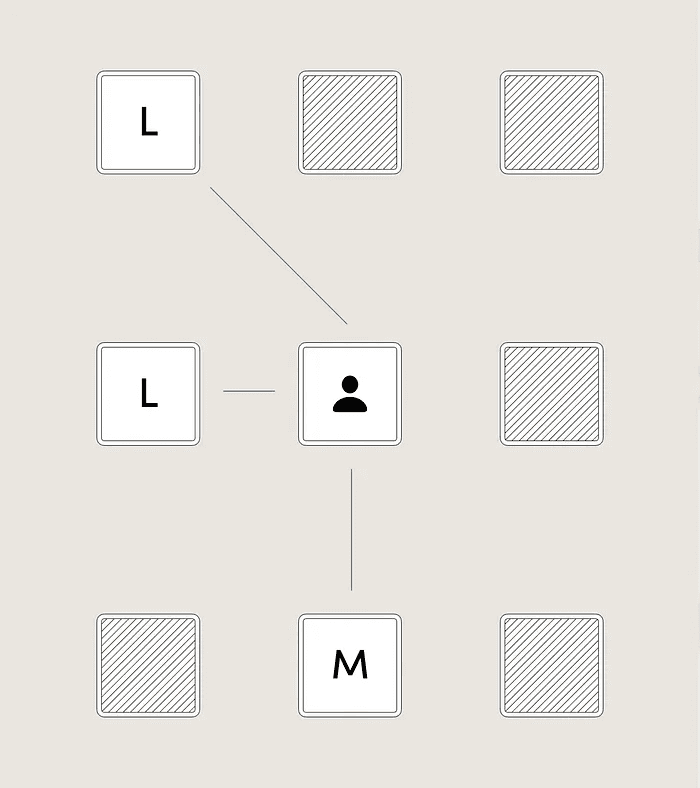
Craftwerk, EUCLYD's inference system, takes a different approach. Instead of placing a large pool of memory behind a small number of general-purpose processors, it repeats one simple unit across one of the physically largest AI accelerators built to date: a small processor, its own local DRAM and its own connection to the rest of the system.
The point is not that data stops moving entirely. It moves less far, through fewer shared bottlenecks and on a schedule the machine can know in advance. Data for the next operation can arrive while the current one runs. Large models make the problem worse. The weights need bandwidth. The growing context cache needs capacity. The largest production models must be spread across many accelerators, which then have to coordinate continuously.
EUCLYD is trying to keep a model within one tightly integrated system, rather than distributing it across a network of separate accelerator servers. Memory sits beside the processors that use it. Each processor has a known role in a static schedule. The next batch can be fetched while the current one computes.
The architecture is built for high-volume inference, where the winning metric is not a spectacular single-query demo but the cost of serving billions of tokens.
Groq and Cerebras have validated market demand for alternatives to GPU-centric inference. EUCLYD is targeting the entire inference market, from ultra-low-latency applications to cost-sensitive, throughput-heavy workloads where batching, rack efficiency and tokens per watt determine margin.
The right shape, in the right decade
Danny Hillis's Connection Machine, built in the 1980s, had 65,536 processors, each with its own memory. Inmos's Transputer, developed in Bristol during the same period, combined processing, memory and communication links in a tileable design. Both had the right shape and the wrong decade.
Today's inference workloads are repetitive in a way few large-scale computations have been before. The same weights are read again and again. The same operations are run across new batches of tokens. That predictability makes specialisation more valuable.
The manufacturing stack has also changed. Custom memory, advanced packaging and wafer-to-wafer bonding make it possible to place far more memory much closer to compute than those earlier machines could.
And the economics are less forgiving. AI companies increasingly evaluate the cost of the whole system: accelerators, memory, networking, cooling, rack space and power. For many new deployments, access to power is becoming as constraining as access to chips. Every watt spent moving data is a watt that cannot serve another token.
Hyperscalers have already responded by moving more AI workloads onto their own silicon. They can afford to build around their own models, infrastructure and utilisation patterns. Most companies cannot. They still need an independent platform.
The people: the Avengers of silicon
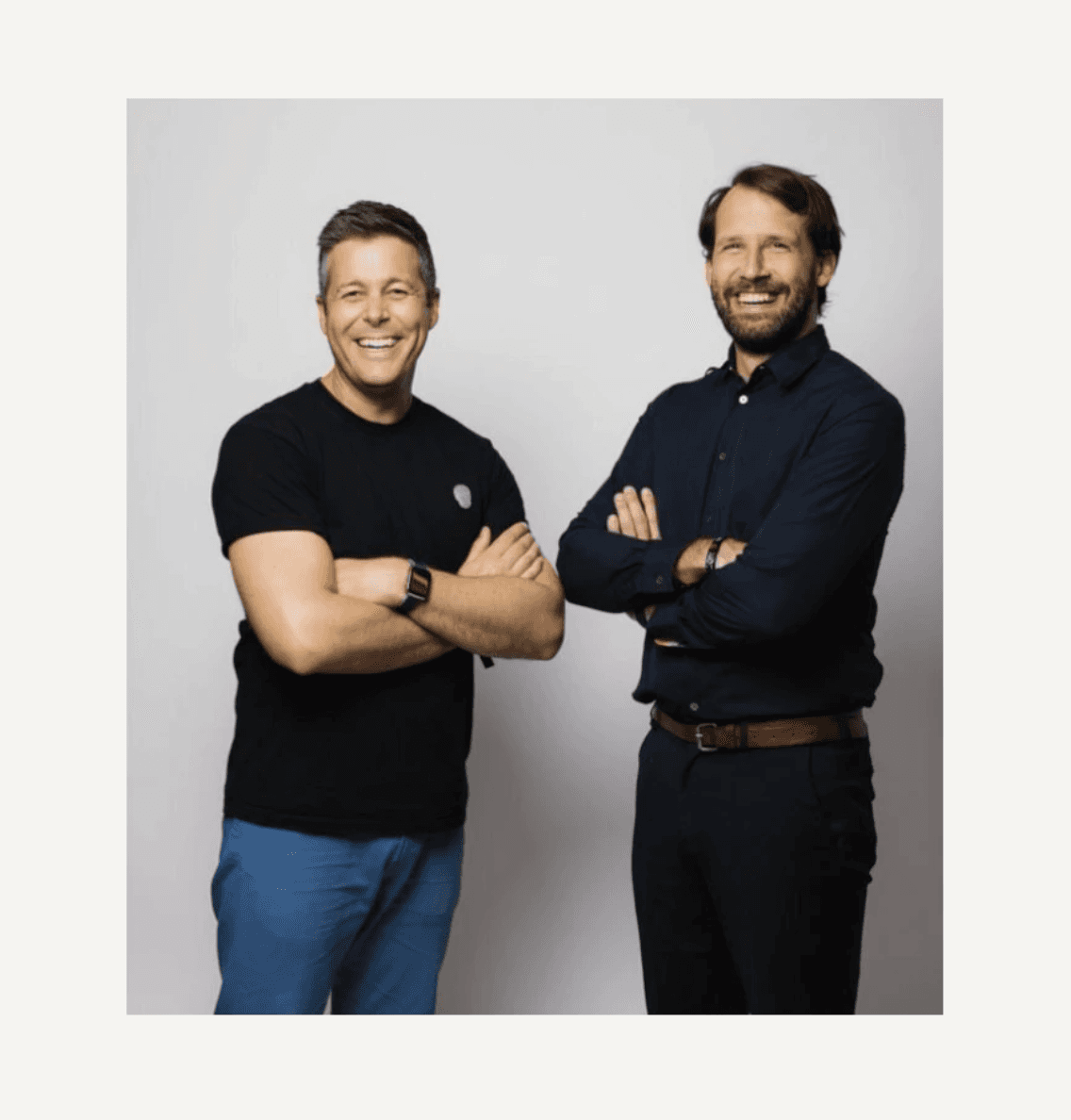
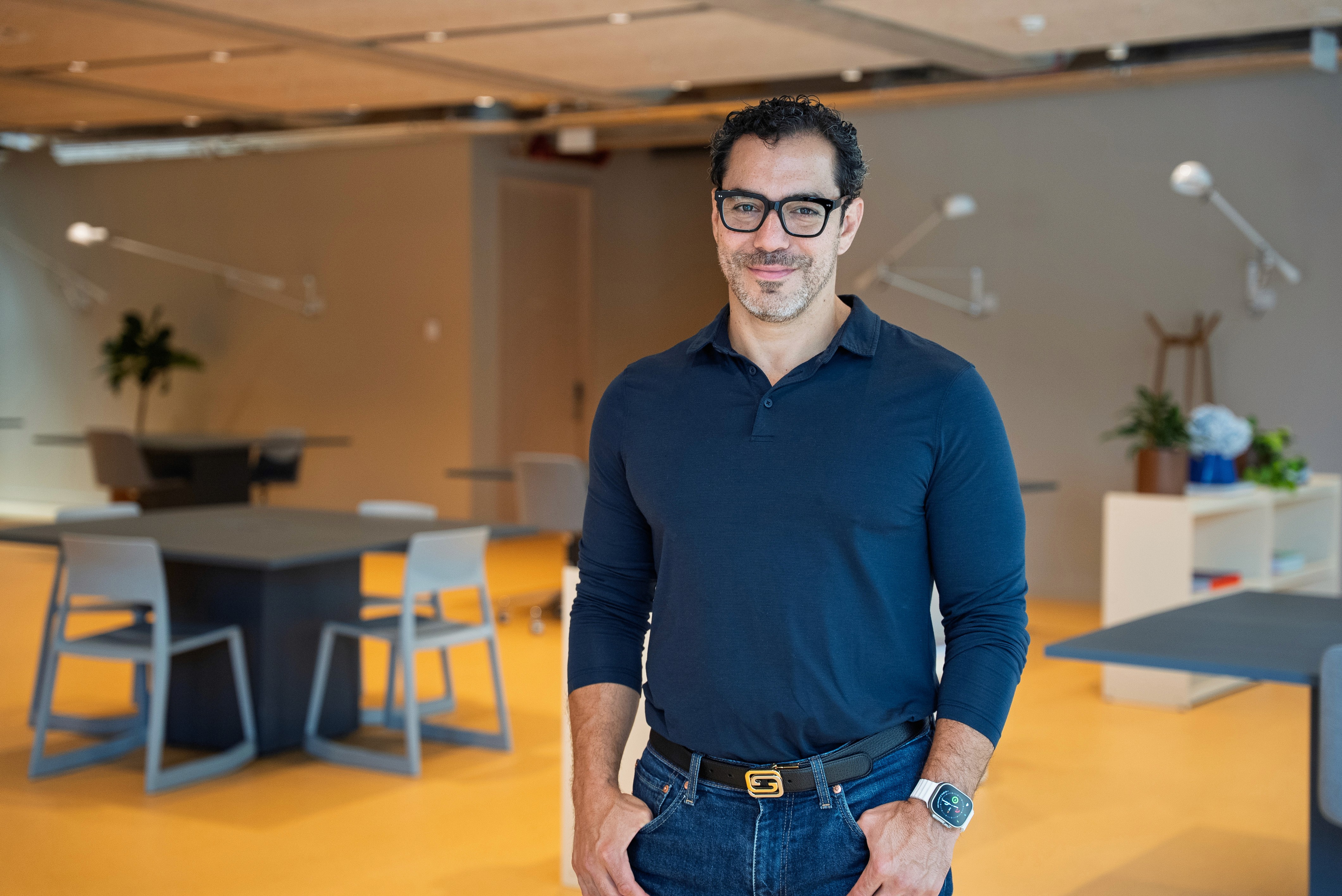
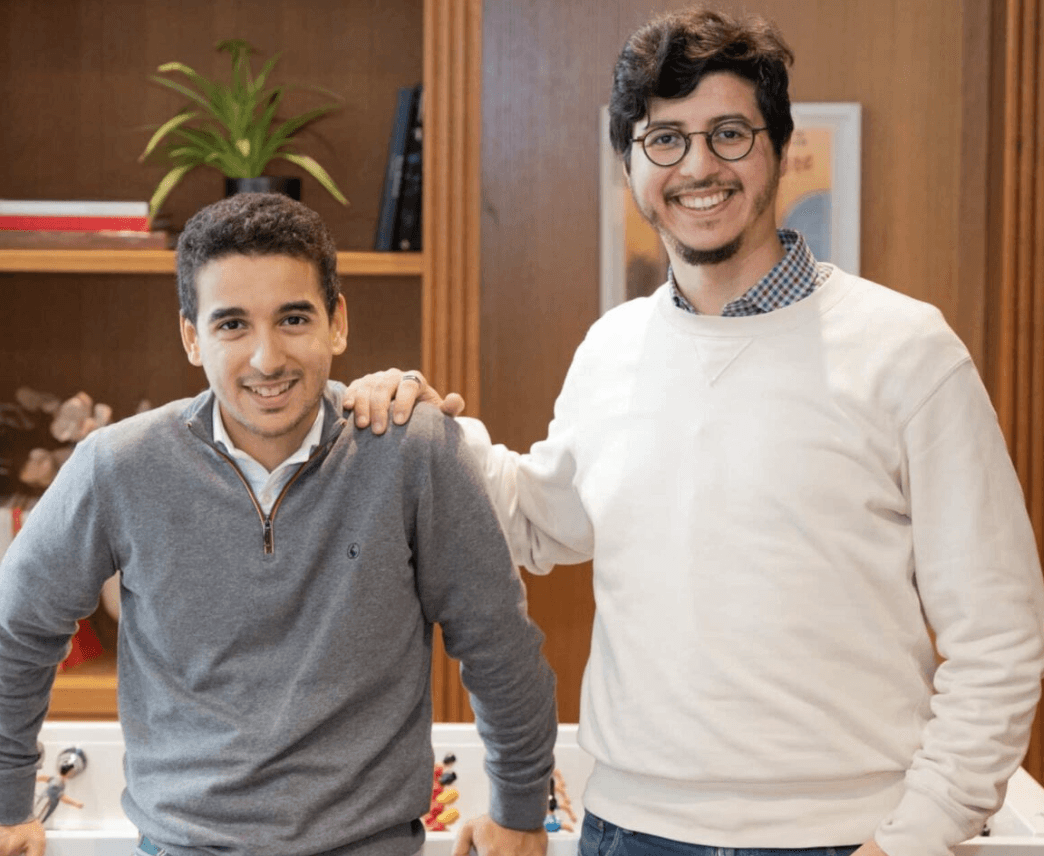
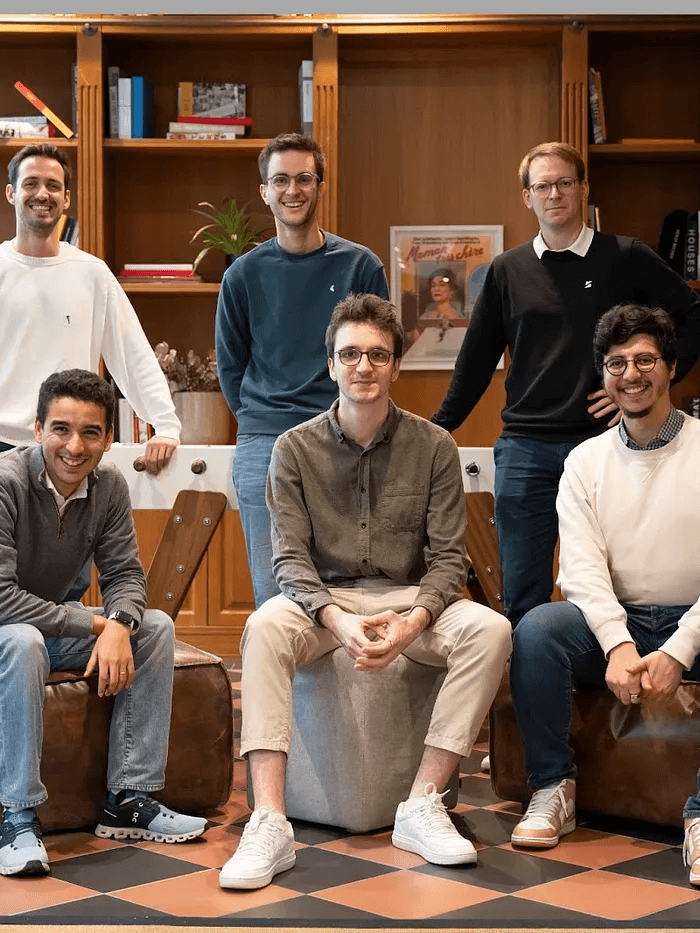
Long-time collaborators Bernardo Kastrup and Atul Sinha first co-founded Silicon Hive at Philips Research, later acquired by Intel, before reuniting to found EUCLYD. Kastrup later led product strategy at ASML.
Co-founders Gerard Egelmeers, Ingolf Held and Harm Peters have worked alongside Kastrup and Sinha for more than two decades across Philips NatLab, Silicon Hive and Intel. Together, they have designed and taped out multiple generations of parallel processors.
Peter Wennink, who led ASML from 2013 to 2024, chairs the board. Federico Faggin, designer of the Intel 4004, advises the company.
Kastrup also has a second life as a philosopher. His theory of analytic idealism argues that mind is fundamental and that computation, however sophisticated, is not consciousness. He would be the first to say these chips do not think.
What has to be true
This is a silicon bet, focused on maintaining the pace at which AI is iterating.
EUCLYD's first test chip was manufactured at Samsung and will validate the company's compute architecture.
Backus's tube never disappeared. We made it wider, faster and more expensive. EUCLYD is betting that inference does not need an even wider one. It needs thousands of shorter ones, with memory placed beside the computation it serves.
We are making that bet with them.
More to read
20 articles