5min read
Authors
EQT Ventures
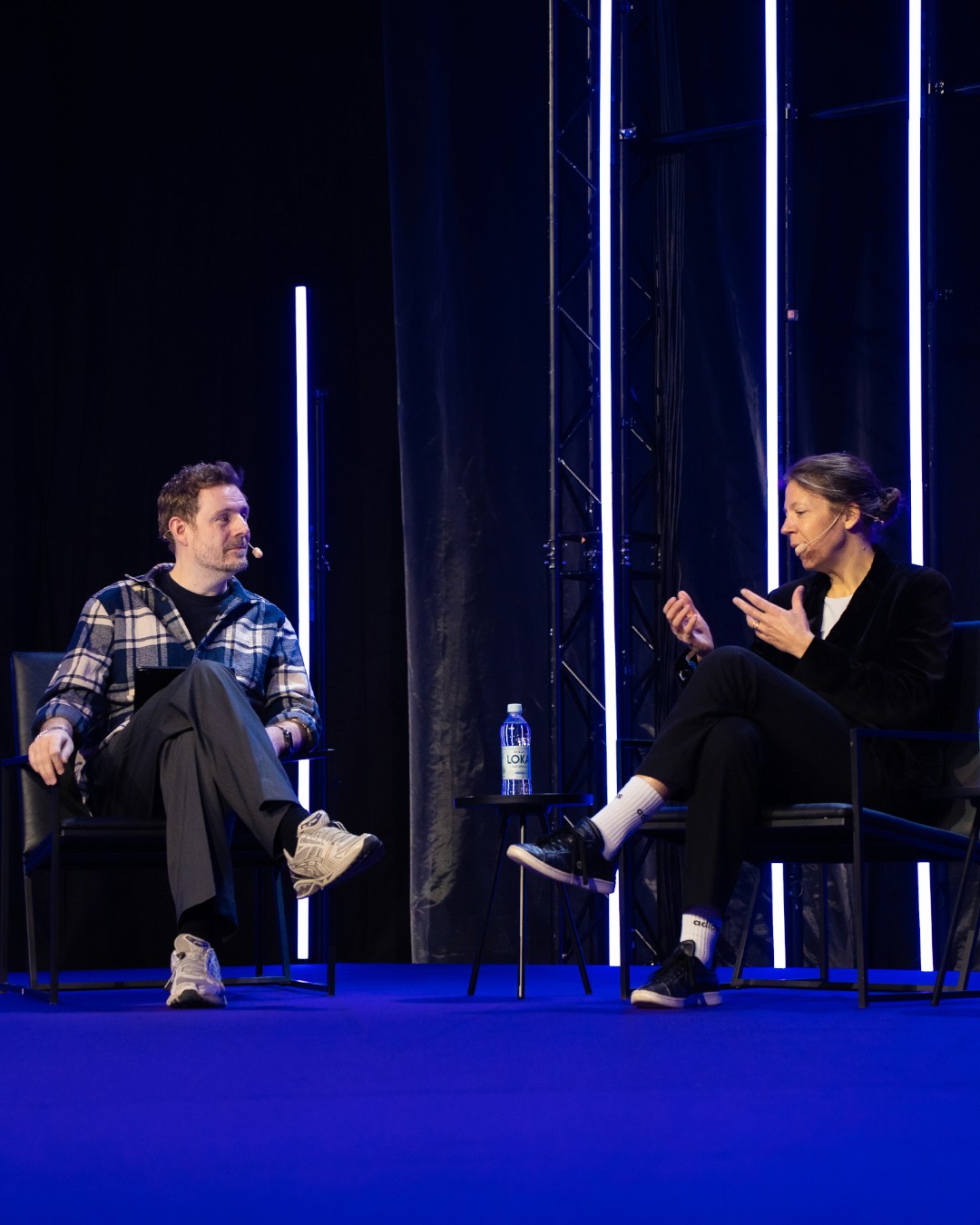
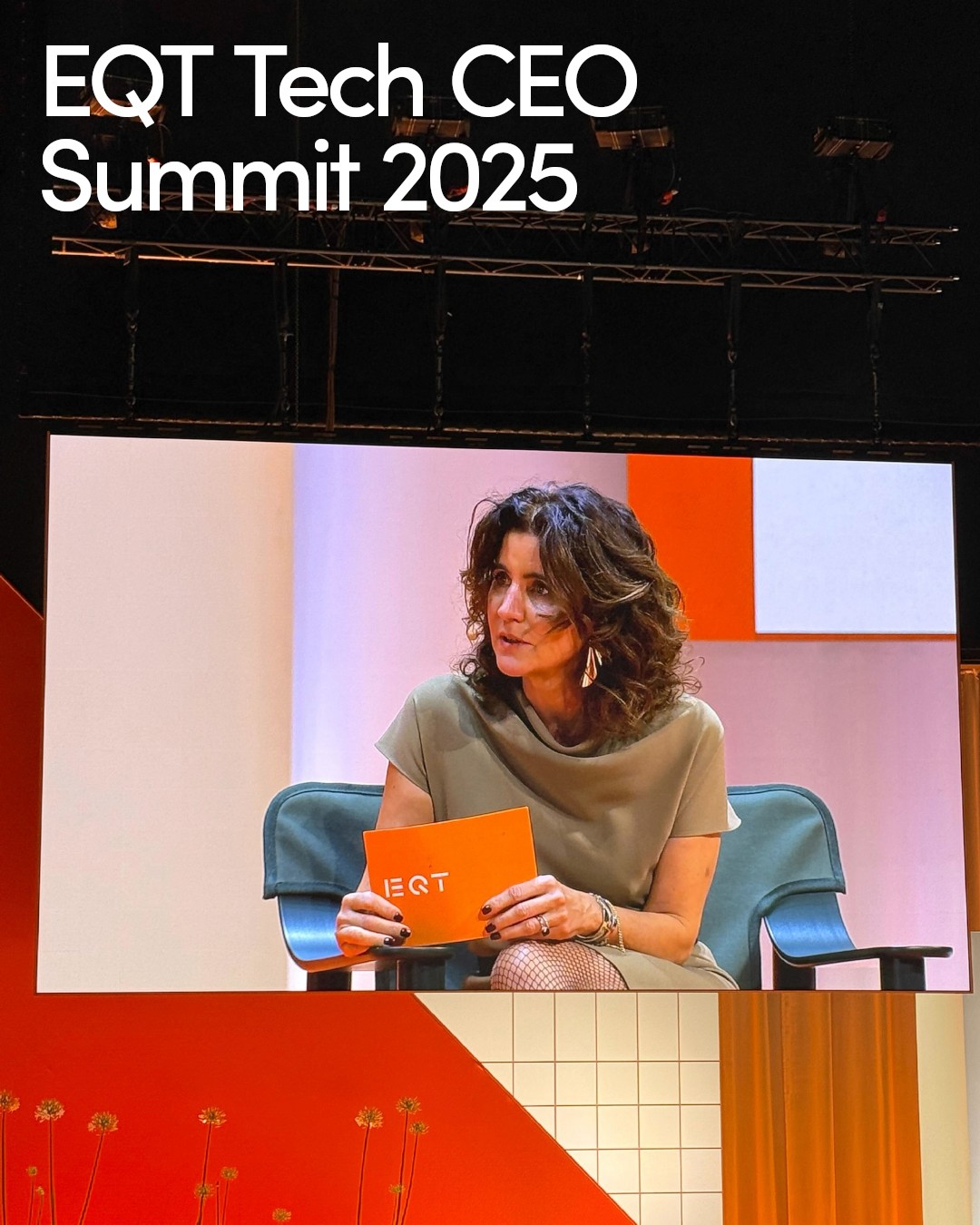
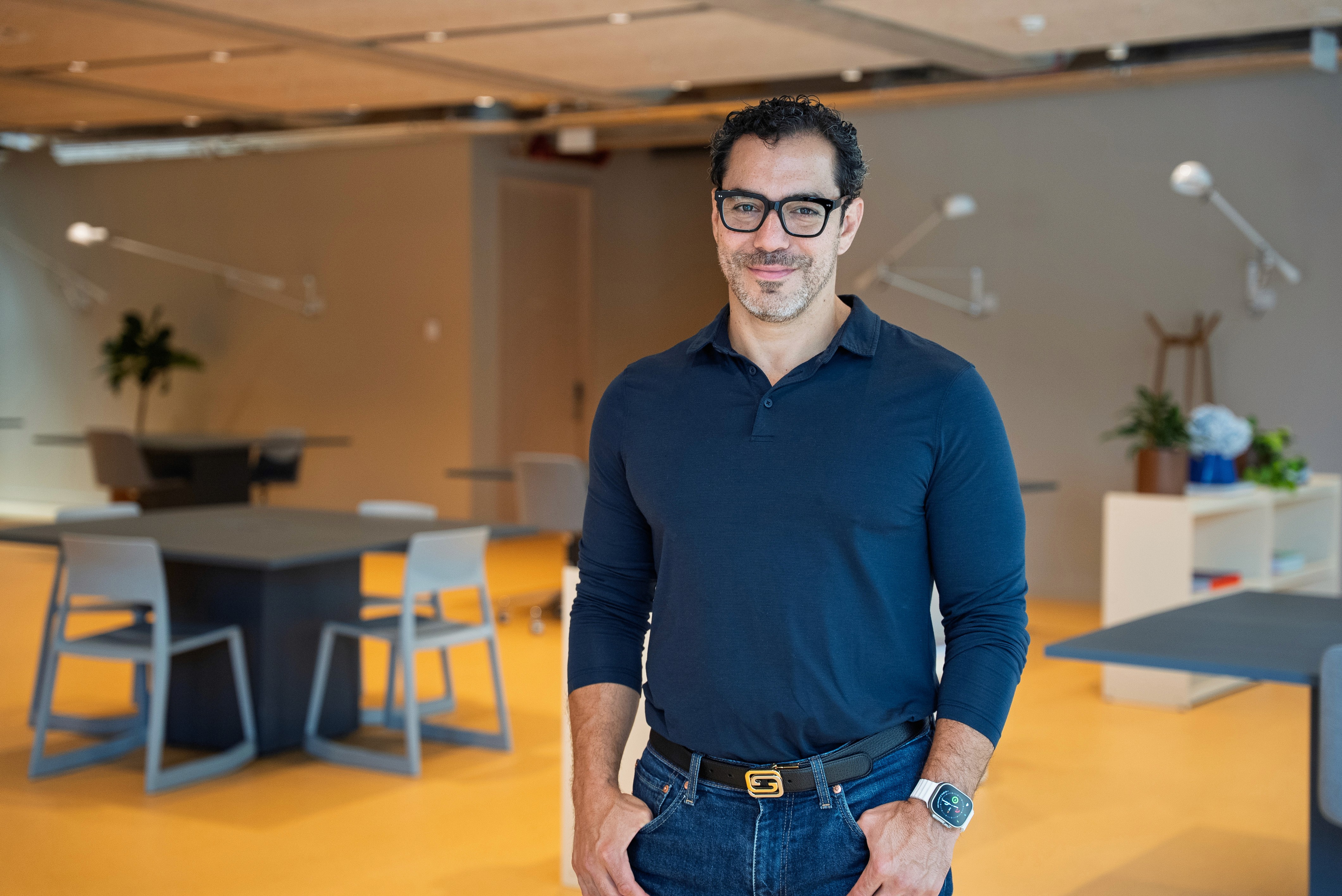
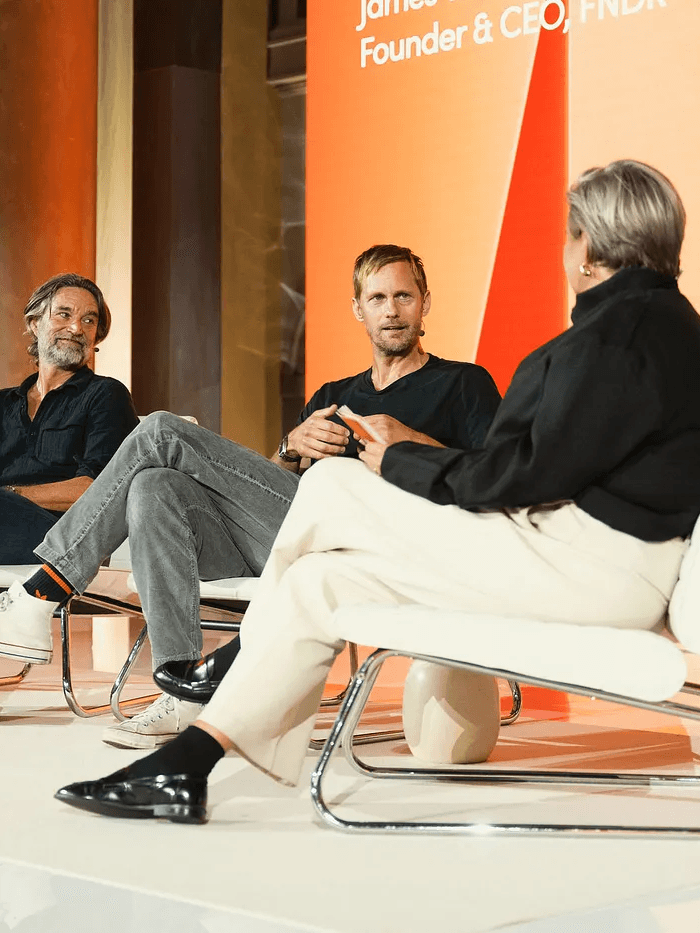
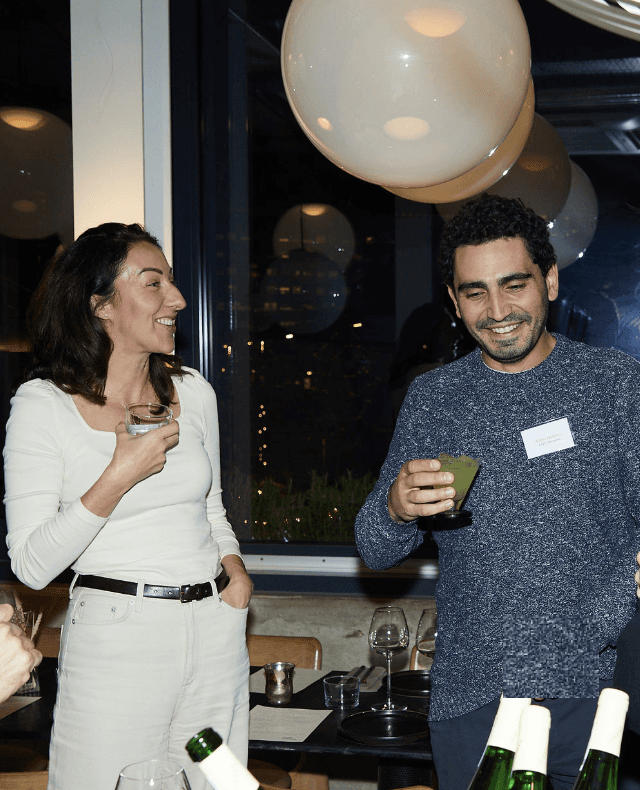
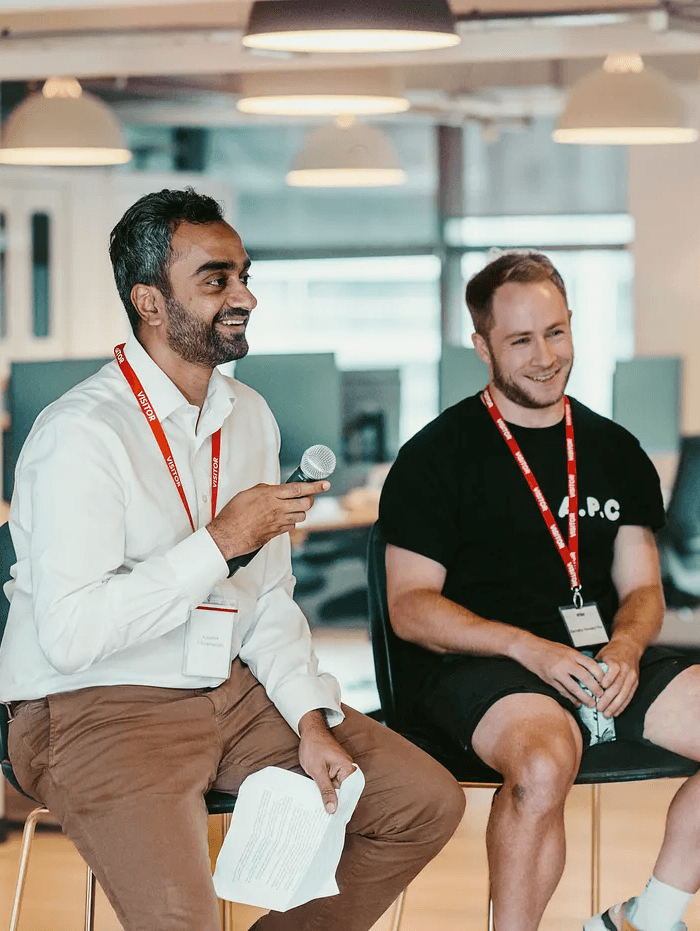
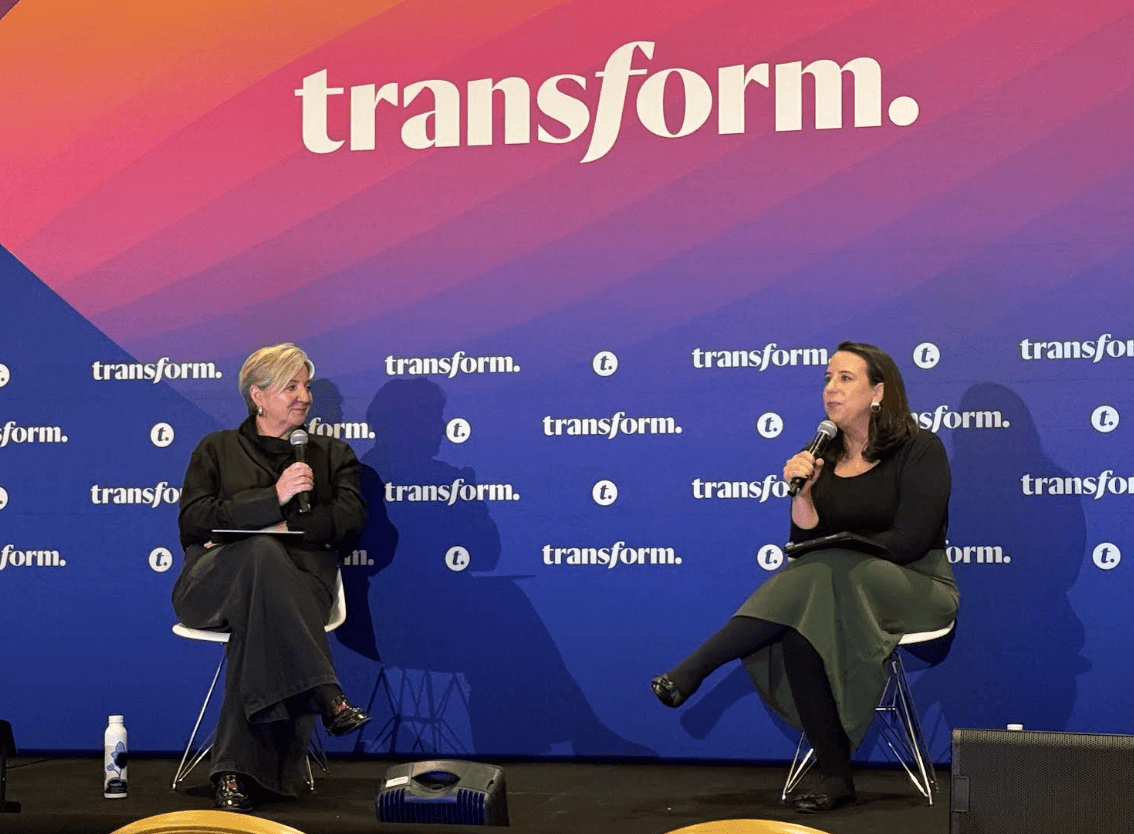
At Transform in Las Vegas, Polly Barnes, Operating Partner Talent at EQT, sat down with Livia Martini, CPO at Wellhub, for a conversation on what it really takes to build high-performance organisations today.
One idea came through clearly: wellbeing is no longer a perk, it’s a core driver of business performance.
Coming from a background in investment banking, consulting, and as a CFO, Livia brings a distinctly operator-led lens to people and culture. Her approach is simple but powerful: treat the People function like any other part of the business, focused on the levers that drive growth. Because ultimately, people are the P&L.
That perspective becomes critical when you look at the data. Burnout is estimated to cost $322bn globally, while nearly 90% of employees say prioritising their wellbeing improves performance. The companies that win are not the ones talking about wellbeing, but the ones building it deliberately into how they operate.
And that’s where many organisations fall short.
There’s a striking disconnect: while 98% of CEOs believe wellbeing has improved, only half of employees agree. The gap isn’t intent, it’s execution. Too often, programmes are designed in a way that doesn’t translate into everyday behaviour, or worse, only work for leadership teams but not the broader organisation.
At Wellhub, the focus has been on making wellbeing part of the cultural fabric, from hiring and communication to leadership behaviour and team rituals. Leaders actively role model it. It shows up in how teams work, how success is celebrated, and how people are supported day-to-day. Not as a side initiative, but as a shared expectation.
Importantly, this isn’t about slowing down performance, it’s about sustaining it.
High-performing environments, especially in fast-growing companies, carry an inherent risk of burnout if left unmanaged. The insight Livia shared is that sustained high performance and wellbeing are not in tension, they reinforce each other. The best teams don’t choose between the two; they build systems where both can exist.
The takeaway is a clear shift in how leading companies think about culture: wellbeing isn’t something you add on top, it’s what everything else is built on.
More to read
20 articles