5min read
Authors
EQT Ventures
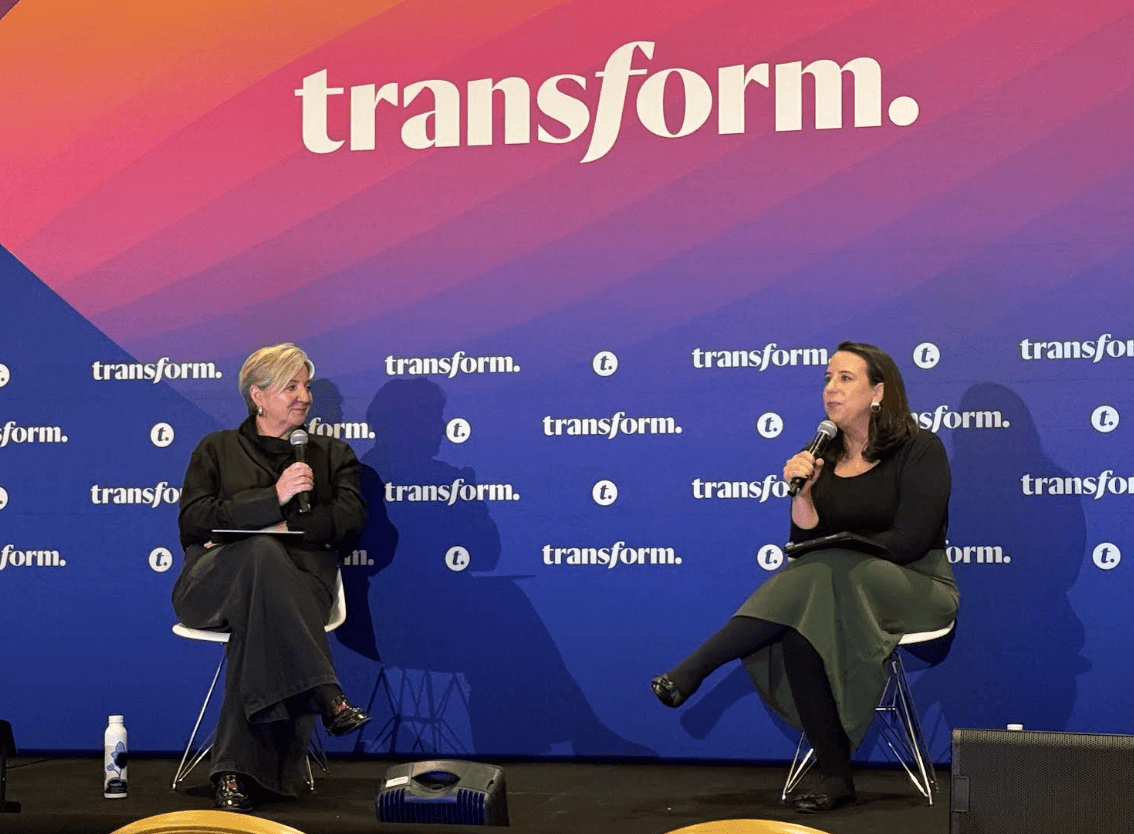
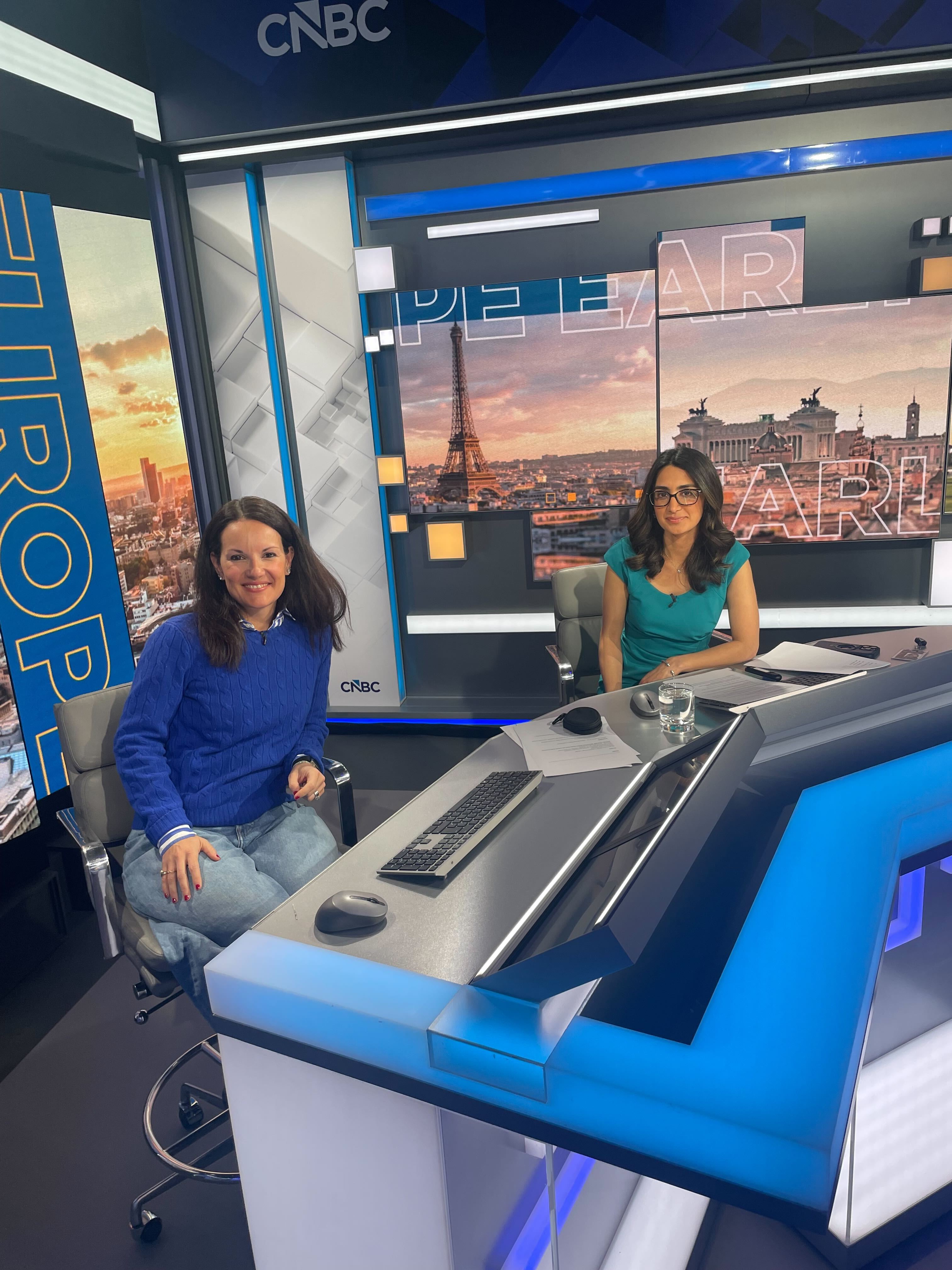
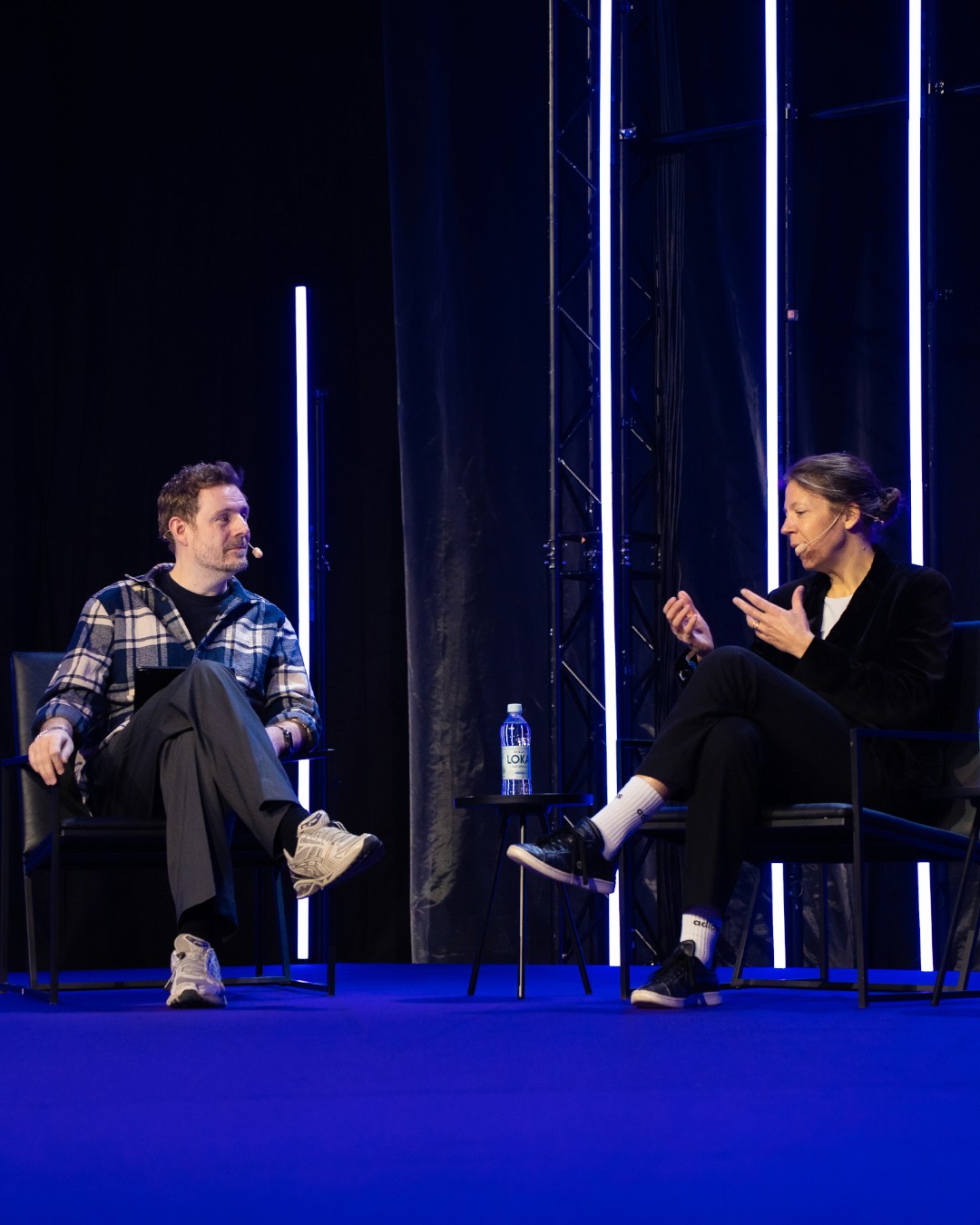
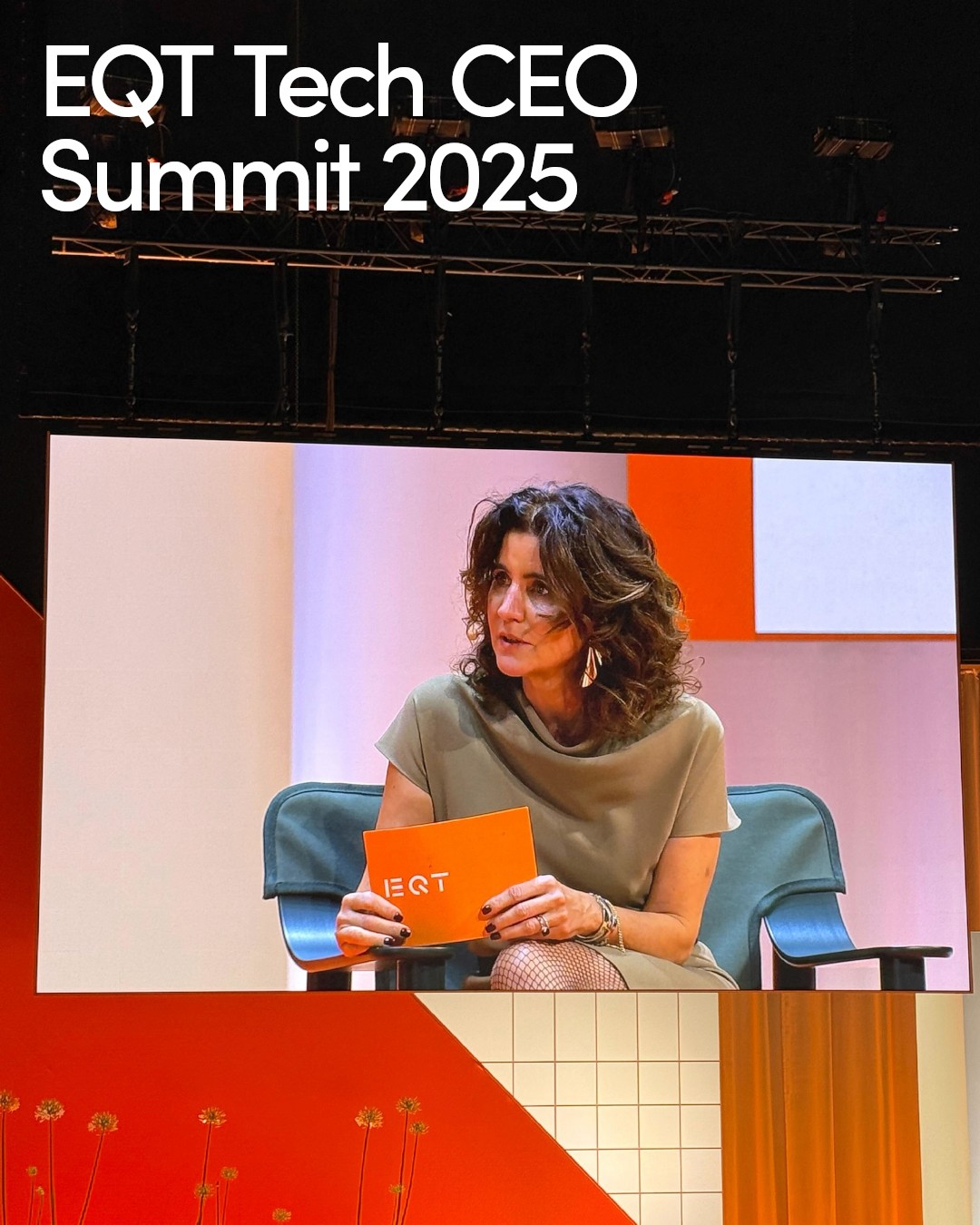
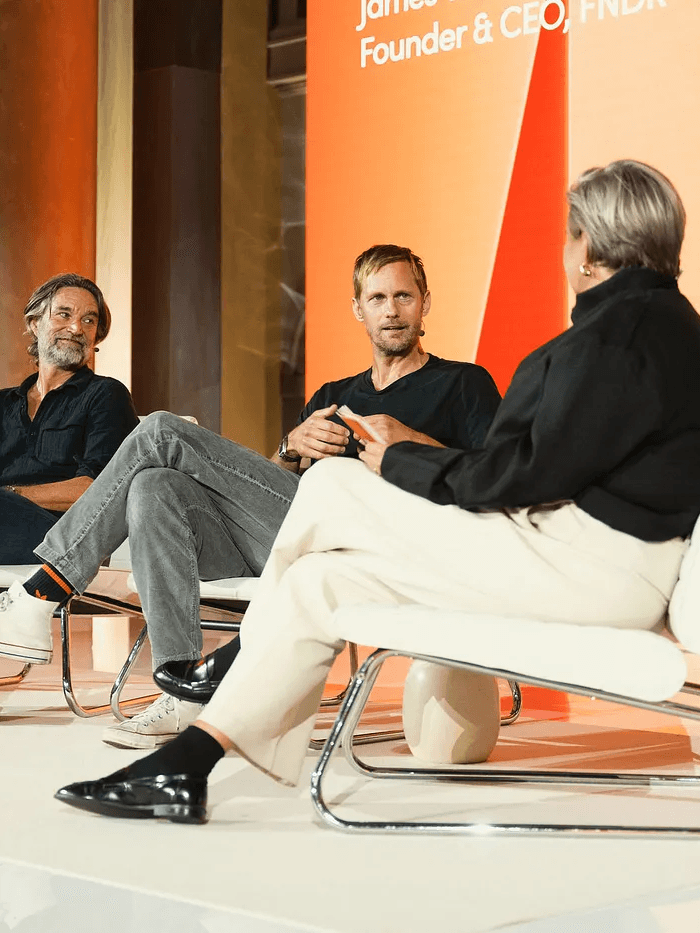
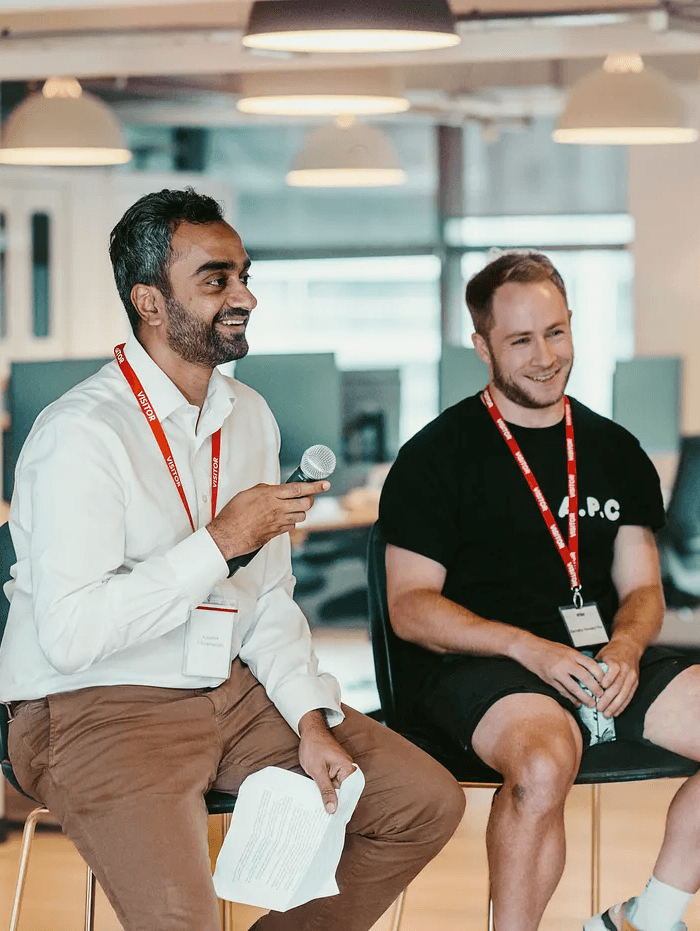
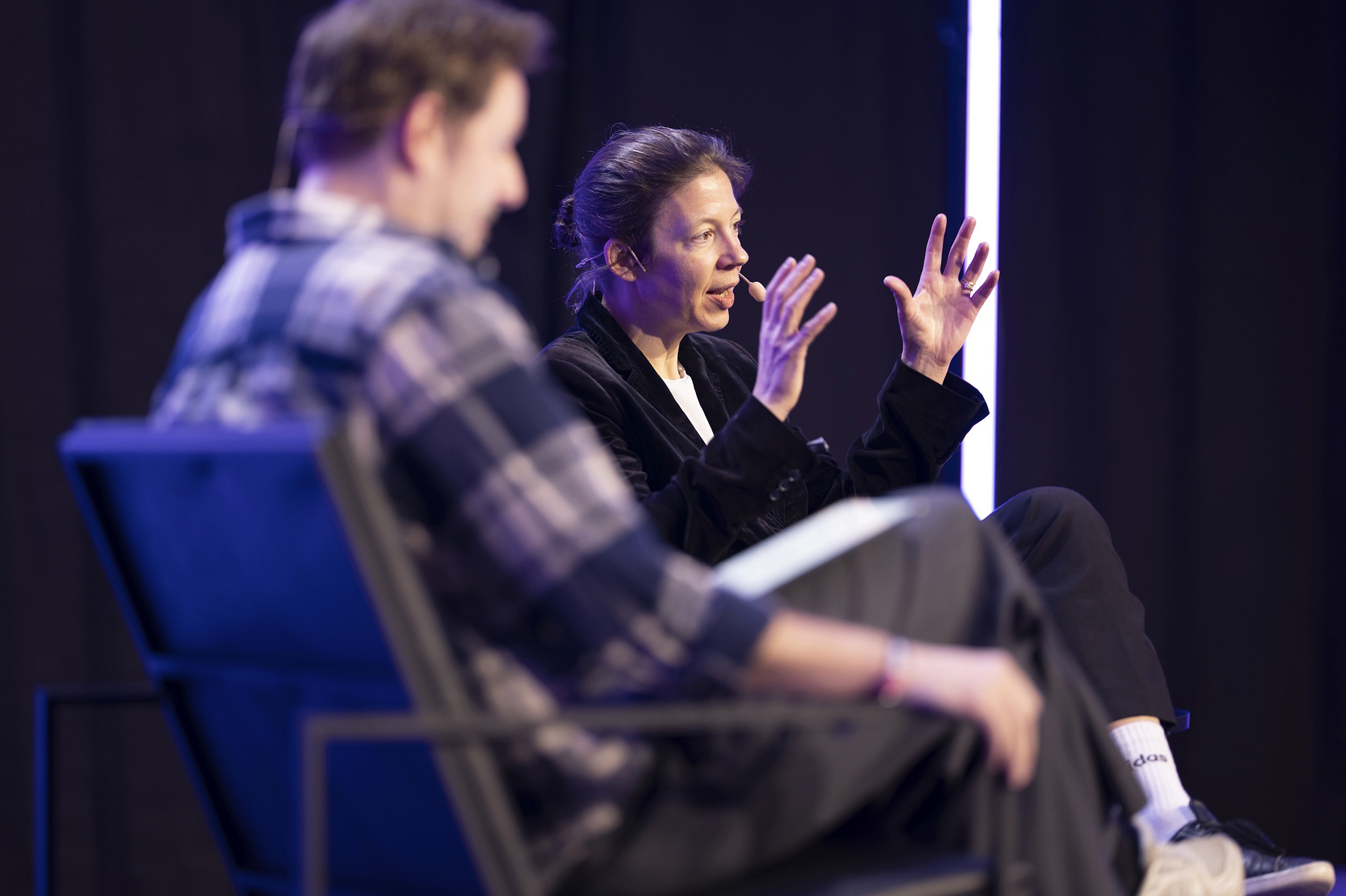
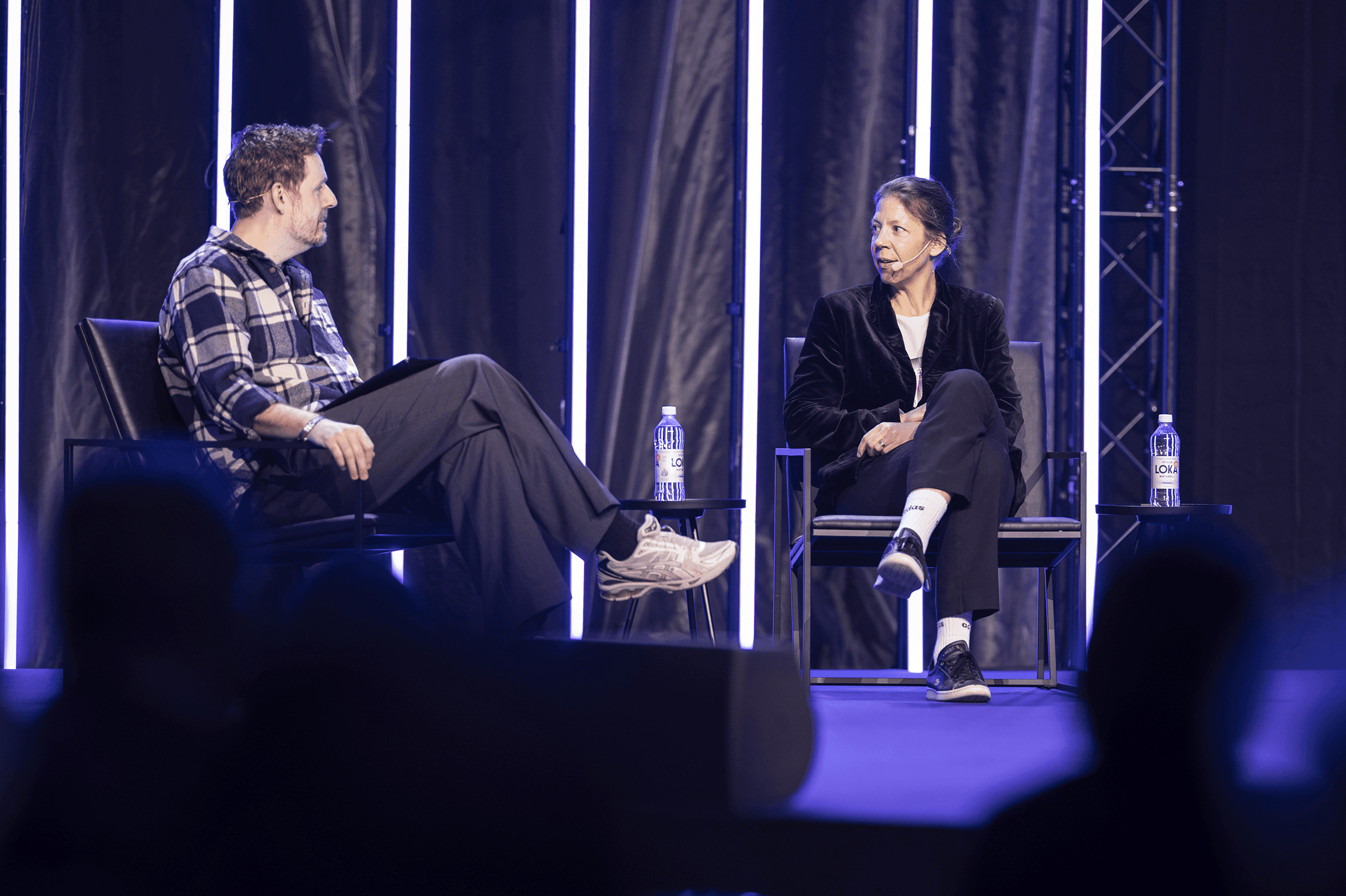
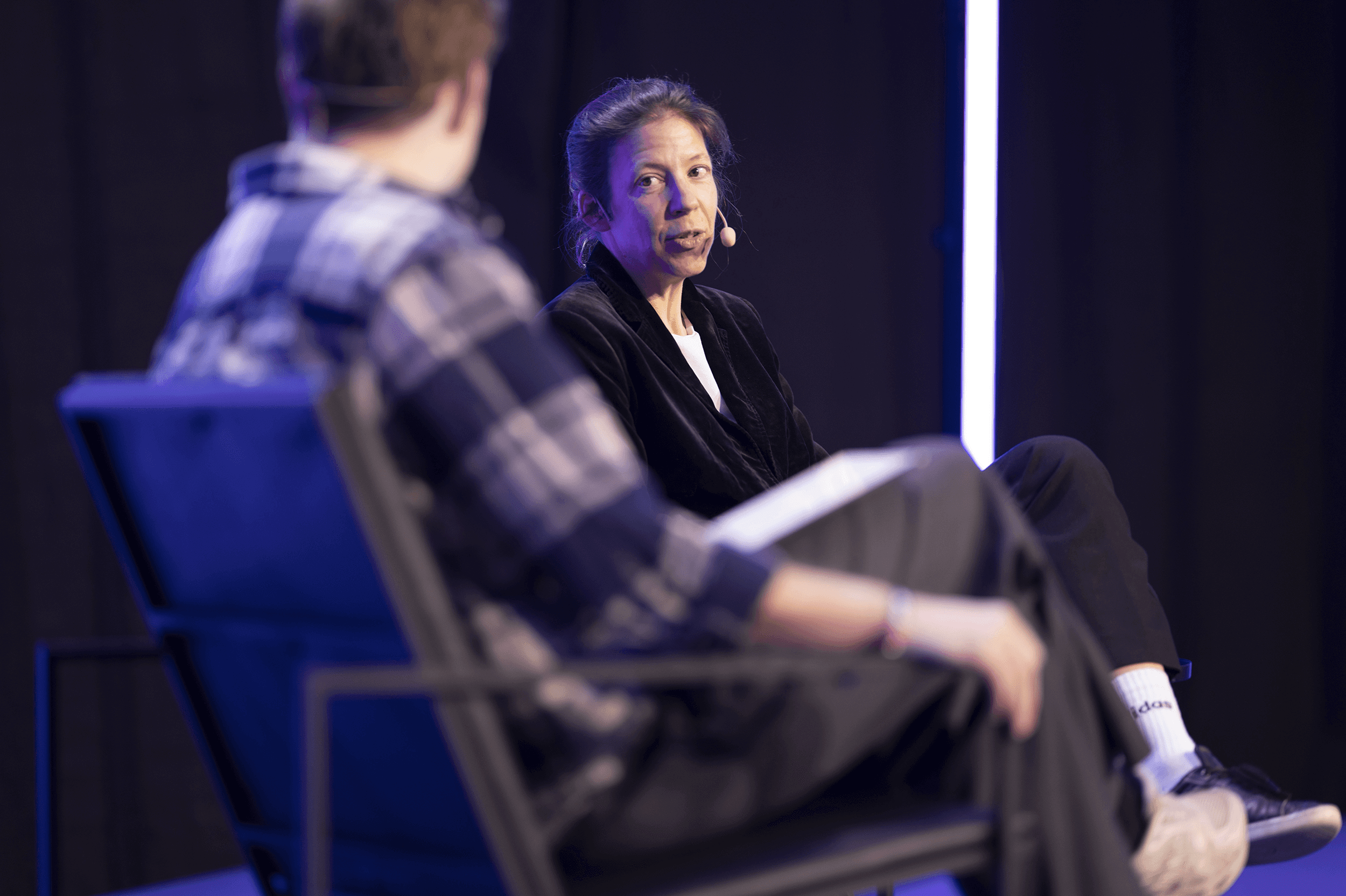
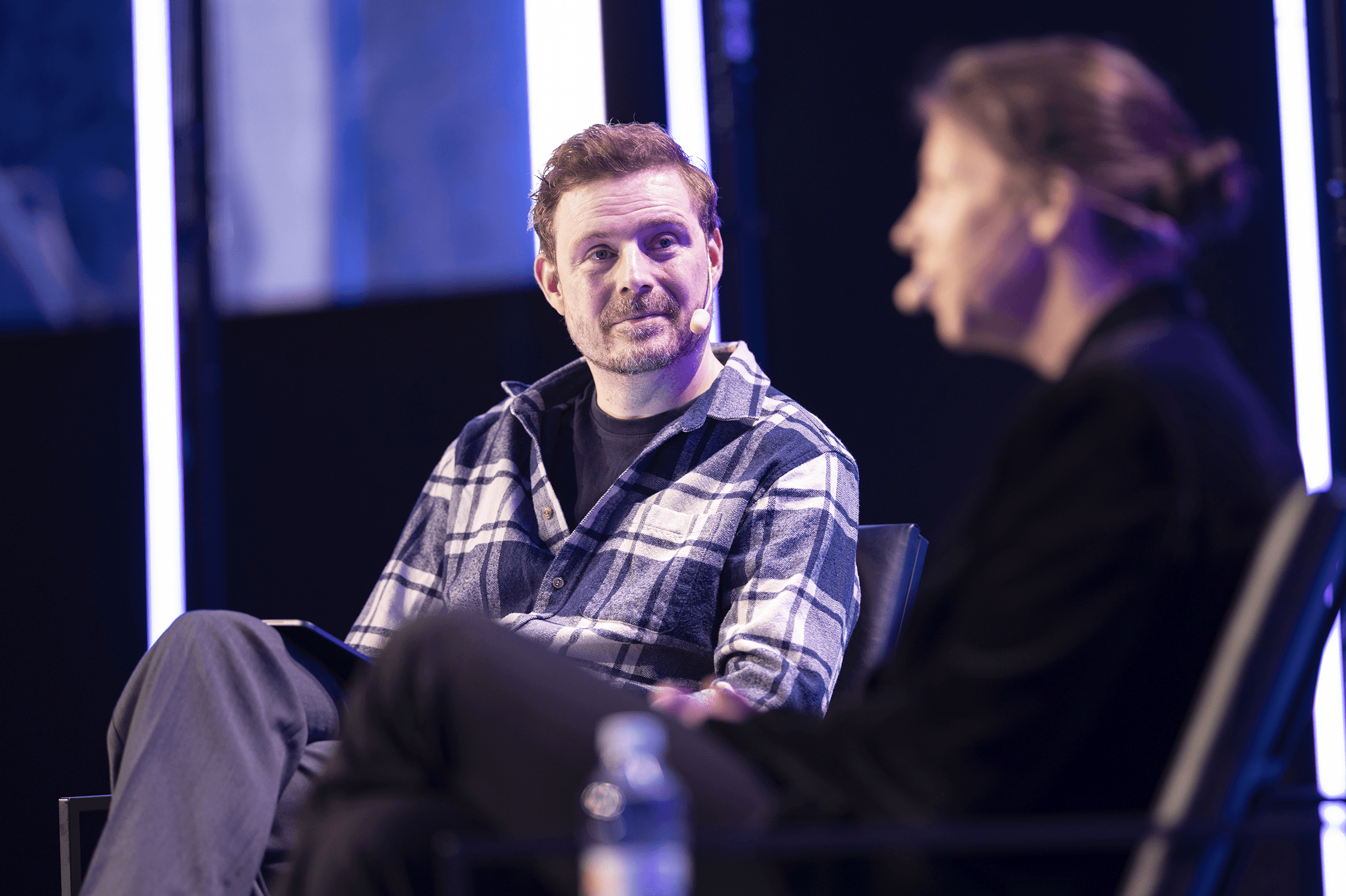
At Techarena 2026, EQT Ventures Partner Ted Persson sat down with Hélène Huby, CEO and Co-Founder of The Exploration Company, for a conversation on deep tech, ambition, and Europe’s role in the next space era.
What followed was less a discussion about rockets, and more a reflection on speed, sovereignty, and scale.
From Space Agency to Startup DNA
Hélène spent over a decade at ArianeGroup and Airbus, leading major European space programs. But she left. “We were not fast enough. We were not ambitious enough. And we were too expensive,” she told the audience.
Rather than trying to reform incumbents from within, she chose to start from scratch. Four years ago, The Exploration Company began with four people and €50,000 in the bank.
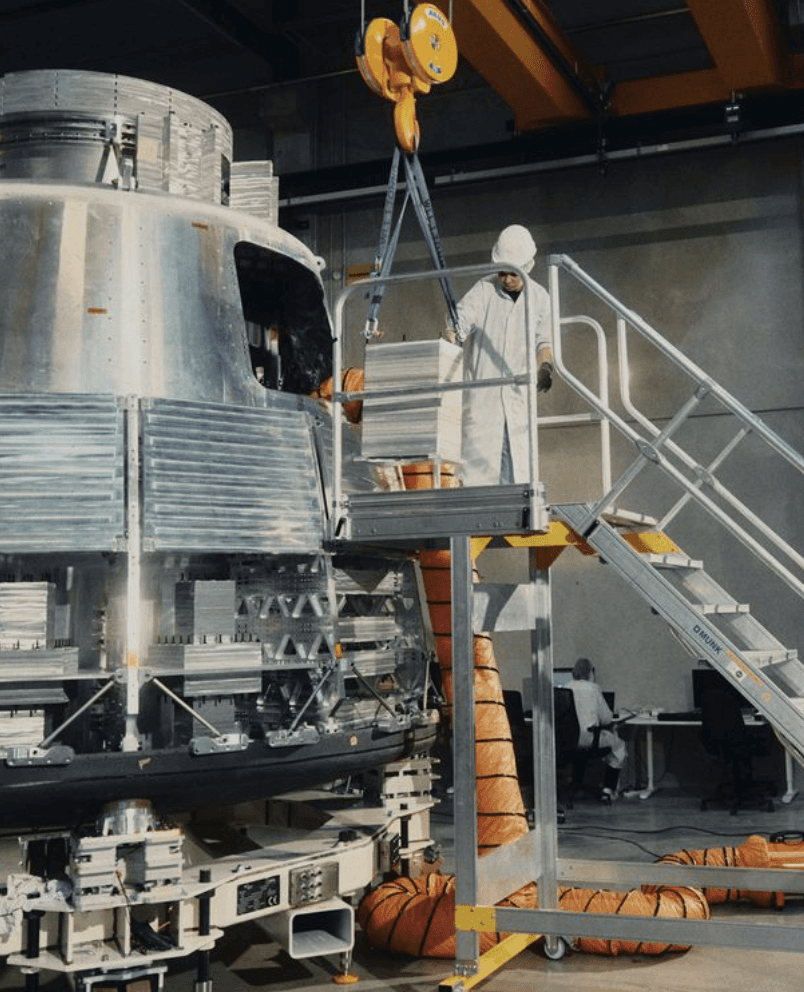
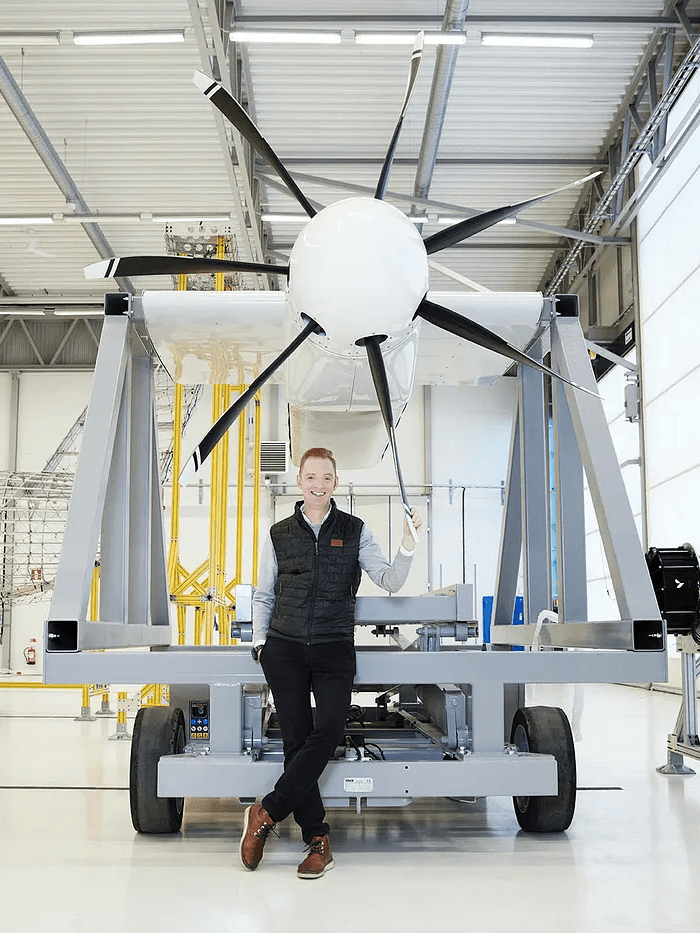
Today, it employs around 450 people across six countries, Germany, France, Italy, the United States, and the UAE, and is building Europe’s first privately co-financed space capsule.
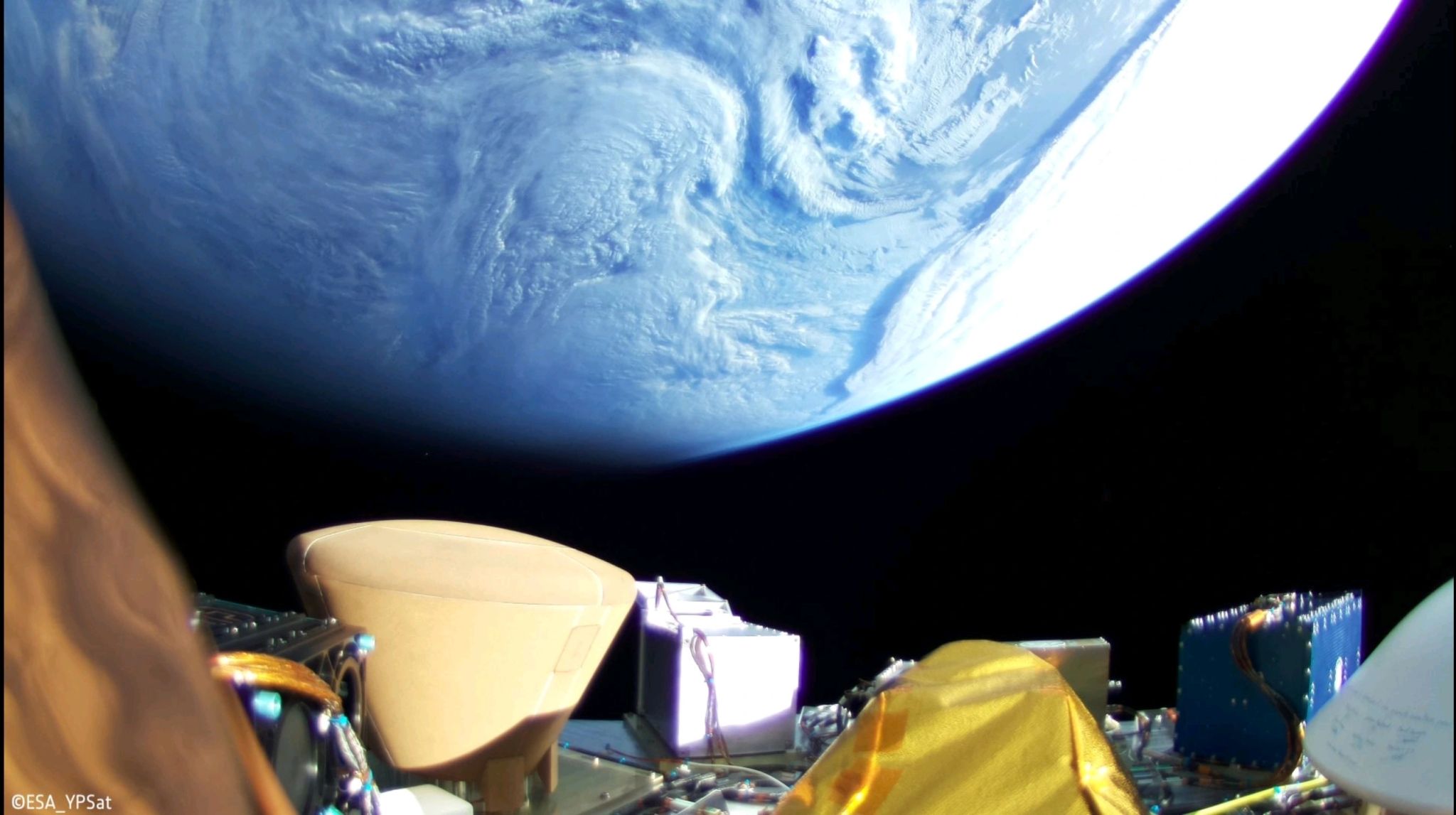
In under four years, the company has already launched two prototypes into space. The next milestone: sending Europe’s first privately built space capsule to the International Space Station within three years.
Until now, Europe has paid roughly half a billion euros per year to external providers for this capability. “We need to be one of the strongest players in the world,” Hélène said. “Not just sovereign, competitive.”
Infrastructure, Not Experiments
The Exploration Company is not building a science project. It is building infrastructure. The first product, a reusable capsule called Nyx, is designed to become what Hélène describes as the “DHL of space”, transporting cargo, equipment, and eventually humans to space stations.
Space is entering a new era. Launch costs have fallen by orders of magnitude over the past decade. Access is becoming more affordable. Demand for communication, Earth observation, defense capabilities, and even space-based data infrastructure is accelerating.
Private capital is following.
But transportation, capsules and rockets, remains one of the hardest frontiers in deep tech. “It’s still incredibly difficult to build a capsule or a launcher,” Hélène noted. “Barriers to entry remain high.”
Which is precisely why it matters.
The Real Challenge: Scaling Ambition
As the conversation turned to Europe’s competitive position, Ted asked what Europe lacks most in deep tech scale-ups: capital, coordination, courage? Hélène answered without hesitation: “Ambition.”
Europe has world-class research. It has engineering talent. It has industrial depth. But too often, she argues, it thinks too small. “When I present a crew capsule project in Europe, the questions are: do we have enough money? Should we really do this? Those are not the questions I receive in other parts of the world.”
Europe does not lack capability. It lacks velocity.
And in space, as in deep tech more broadly, speed compounds.
From Sovereignty to Global Competitiveness
The discussion also touched on “strategic autonomy.” But Hélène reframed it.
Europe does not simply need sovereign capability. It needs globally competitive capability.
“If we want real sovereignty, we need to be one of the best players in the world. Otherwise, we build something that is expensive, subsidised, and limited in cadence.”
For The Exploration Company, that means serving not only Europe, but also partners in the Middle East, Australia, and beyond. Sovereignty and global competitiveness are not opposites, they reinforce each other.
What’s at Stake
Looking ahead five years, Hélène’s biggest concern is not technology. It is whether political systems can move at the required pace.
“The pace of change that governments are willing to accept worries me.”
What excites her most?
“That Europe has a huge playground in front of it. If we keep our values of democracy and collaboration, there is enormous opportunity.”
For EQT Ventures, companies like The Exploration Company represent exactly what Europe must scale: deep technical innovation paired with startup velocity.
As Ted closed the session:
“Let’s do it.”
More to read
20 articles