5min read
Authors
Marnix van der Ploeg
When we first met Candela, what stood out wasn’t just the technology. It was the clarity of the problem.
For decades, cities around the world have had one enormous piece of infrastructure sitting underutilized: their waterways. The reason is simple. Traditional ferries are slow, expensive to operate, and highly inefficient. Running them at scale has historically meant burning fossil fuels and accepting high operating costs.
Candela’s insight was that this wasn’t fundamentally a market problem. It was a physics and engineering problem.
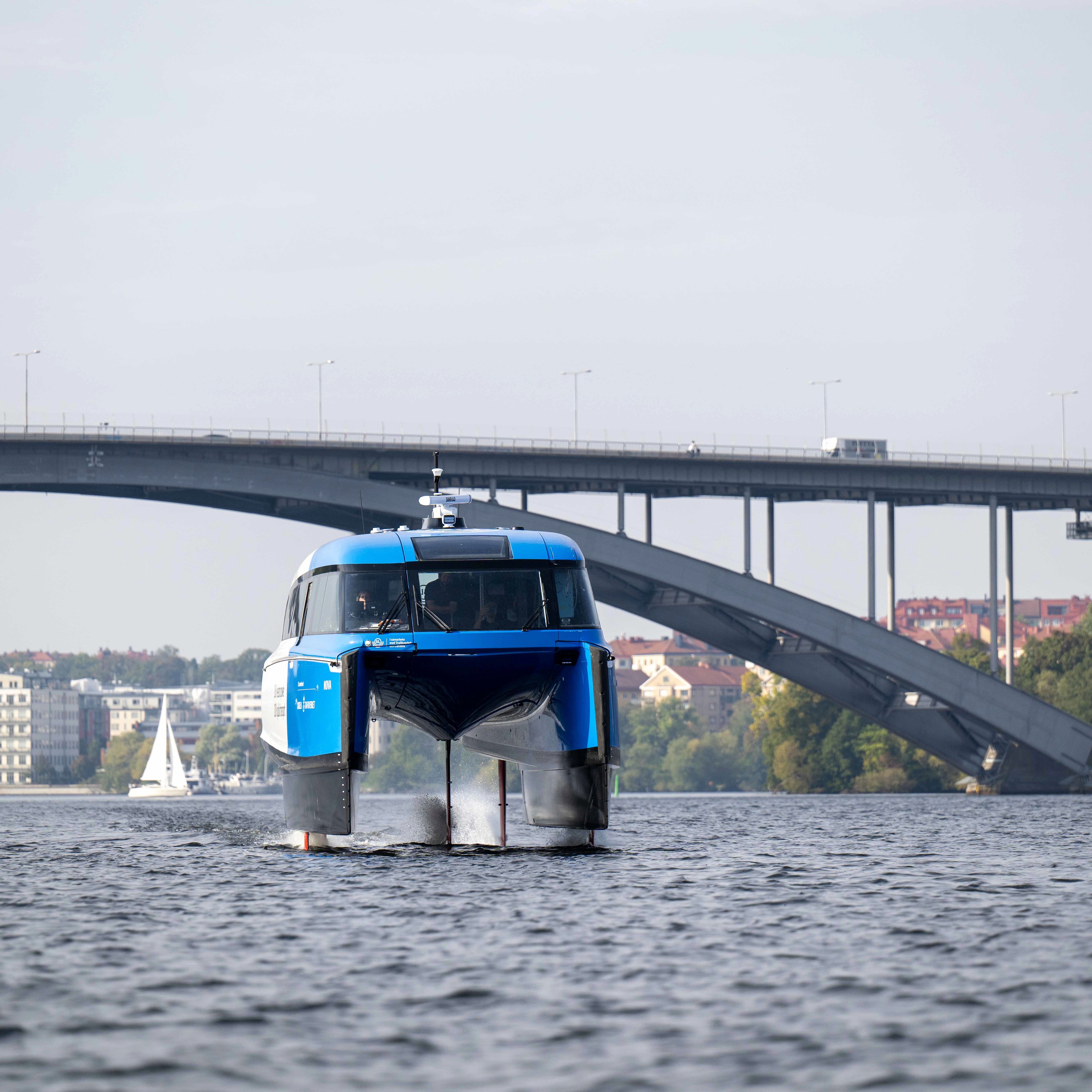
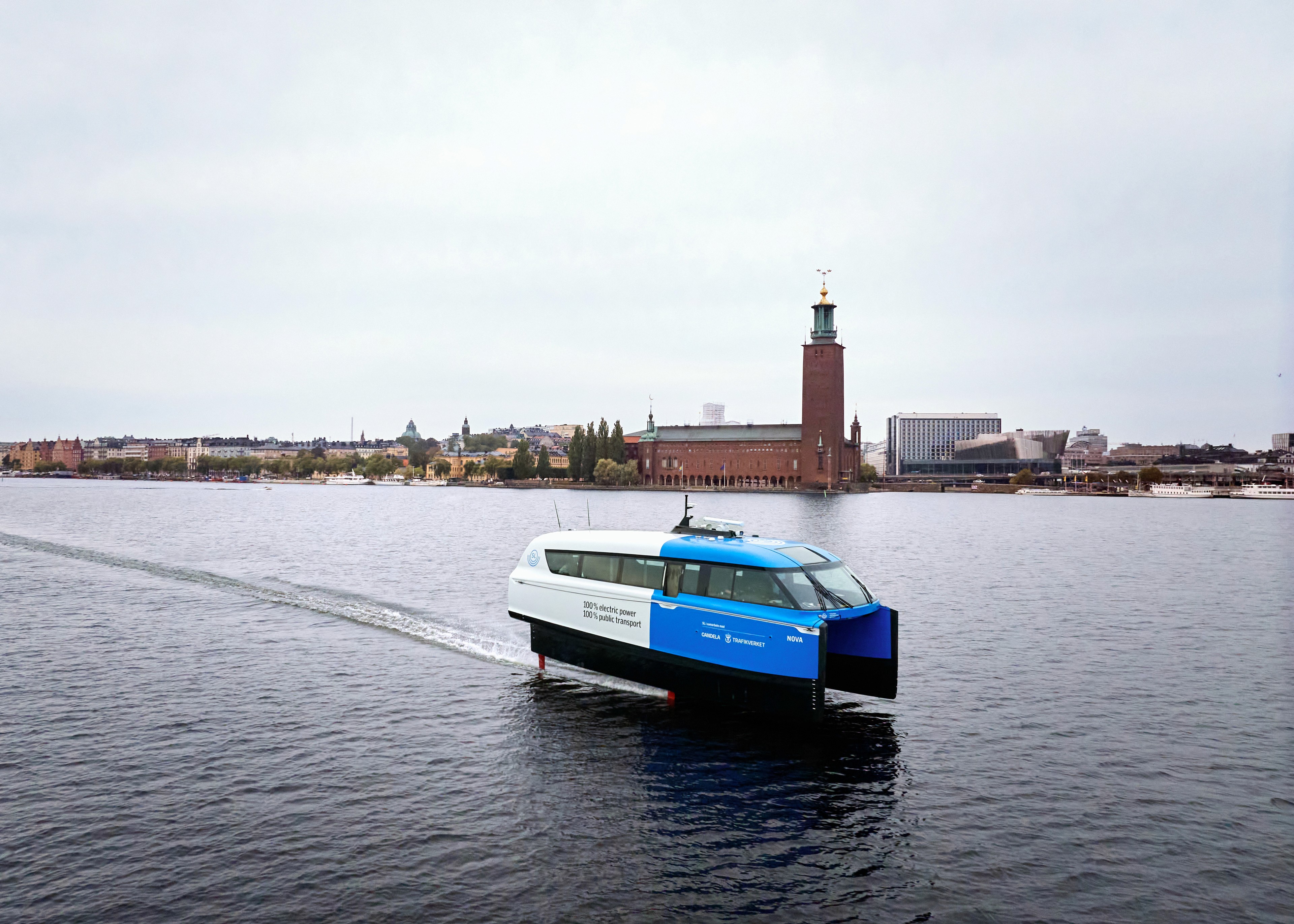
Instead of trying to incrementally improve existing vessels, the team rethought the entire concept of a ferry. Their hydrofoiling technology lifts the vessel above the water, dramatically reducing drag and energy consumption. The result is something that feels almost counterintuitive the first time you see it: a quiet electric ferry “flying” above the surface.
The impact is enormous. Energy consumption can drop by as much as 80 percent compared to conventional ships, while wake disappears almost entirely. Suddenly, waterways that were once too costly or disruptive to use become viable transport corridors.
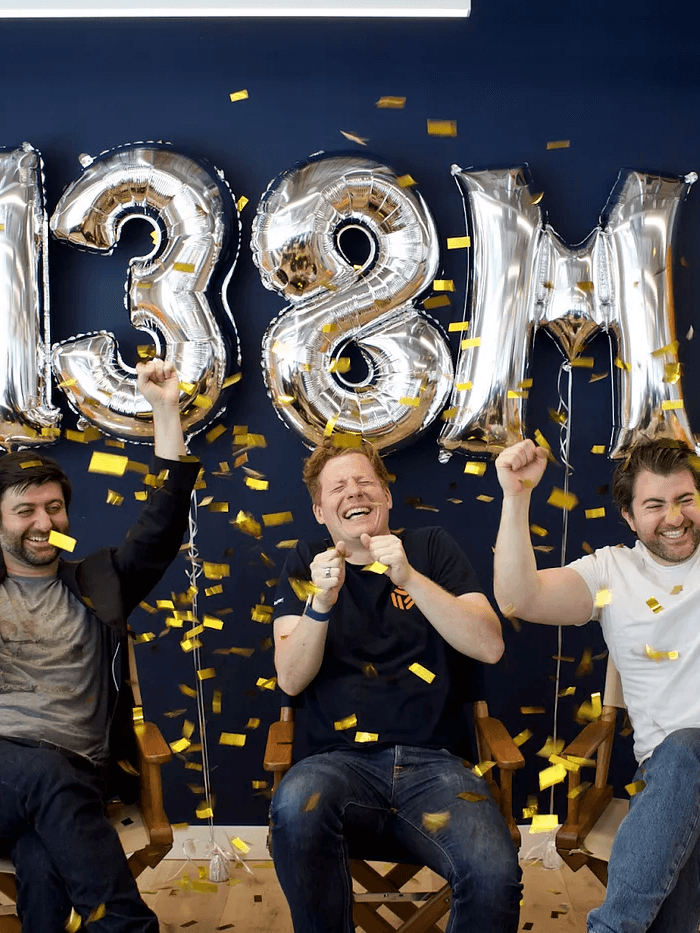
That’s why Candela’s recent €30 million raise matters. In a climate-tech market where funding has dropped significantly since 2021, the company has secured its largest round to date, bringing total capital raised to €129 million. The round includes new investor the International Finance Corporation (IFC), part of the World Bank Group, alongside continued backing from us, SEB Private Equity, Ocean Zero and KanDela.
More importantly, the company has moved beyond prototypes.
Candela’s P-12 is now operating in scheduled commuter traffic across cities including Stockholm, Gothenburg, Oslo and Trondheim. These deployments have demonstrated something that investors and operators care deeply about: real-world performance. Faster travel times, significantly lower operating costs and zero emissions are not theoretical benefits, they are already visible in daily service.
That real-world validation is what makes the next phase so exciting.
More than 65 vessels are already on order, and from 2026 deployments are planned across global markets including Mumbai, the Maldives, Saudi Arabia’s NEOM project and Thailand. At the same time, Candela is building a second factory in Poland to scale production of its carbon-fiber vessels using a platform-based manufacturing model, something the maritime industry has historically struggled to achieve.
What’s happening here is bigger than a new ferry.
We are seeing the emergence of an entirely new category of vessel, one that fundamentally changes the economics of waterborne transport.
As Gustav Hasselskog, Candela’s founder and CEO, puts it: “From a physics perspective, ships have been essentially the same for hundreds of years. We're redefining waterborne transport by effectively creating a new category of vessel.”
For us as investors, the thesis remains straightforward.
Rising fuel costs are fundamentally changing the economics of transport, particularly on water. When you combine that shift with technology that dramatically lowers operating costs, you create something powerful: a product that wins not only on sustainability, but on economics.
That’s the reason we backed Candela early.
And it’s why we are proud to continue supporting the team as they scale production and bring this technology to cities around the world.
The climate transition will not be driven by subsidies forever. It will be driven by solutions that are simply better.
Candela is building one of them.
More to read
20 articles