5min read
Authors
EQT Ventures
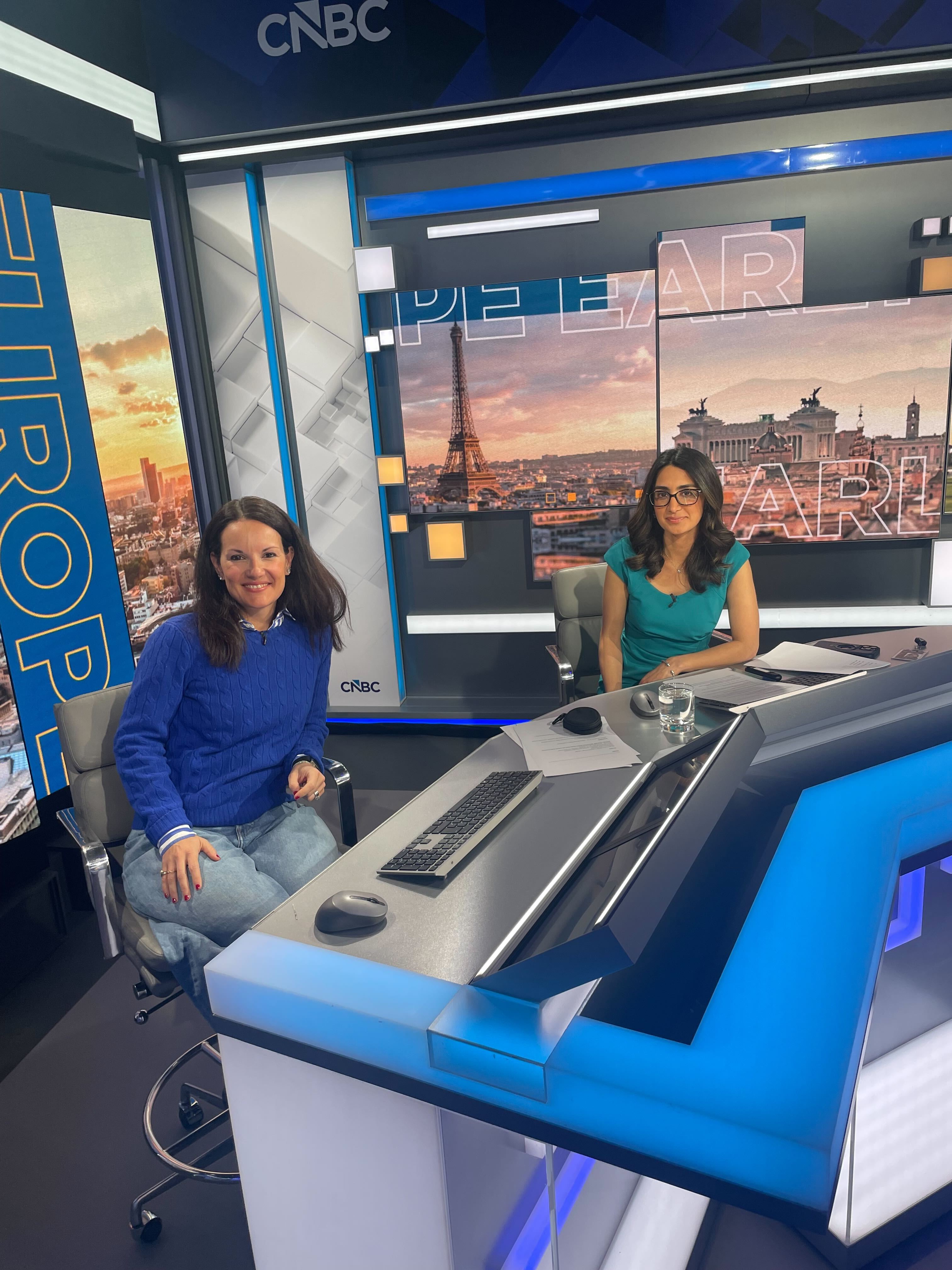
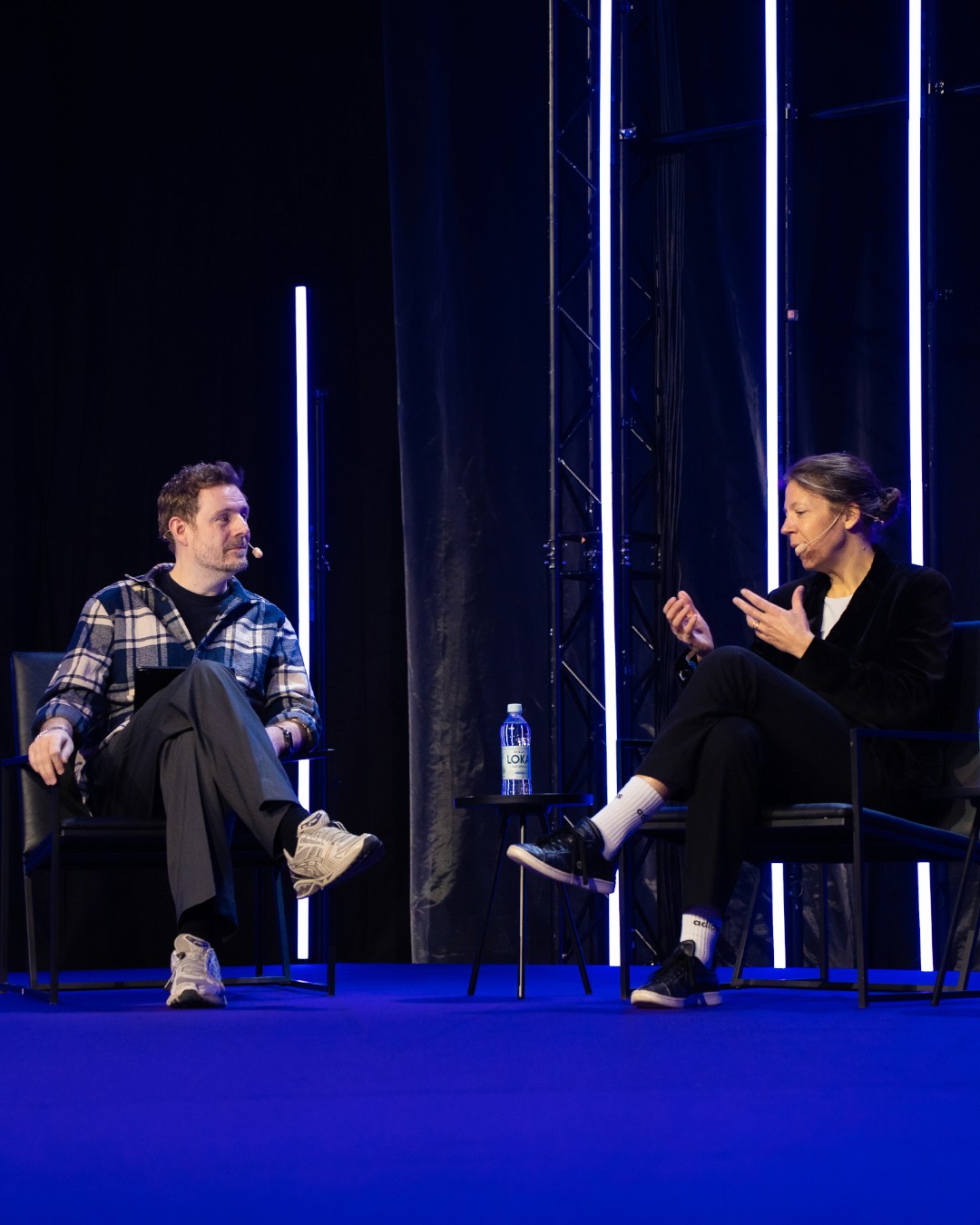
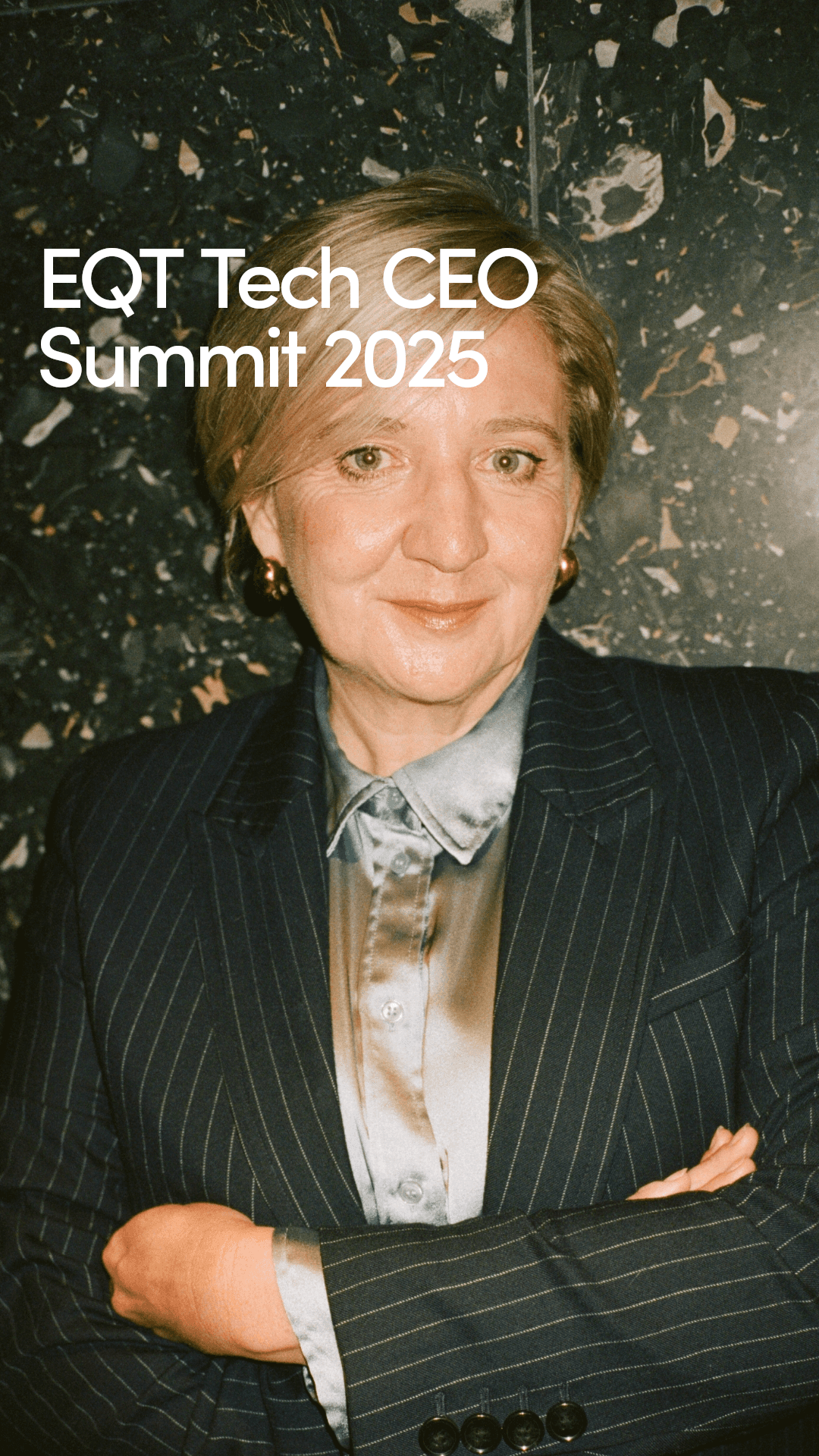
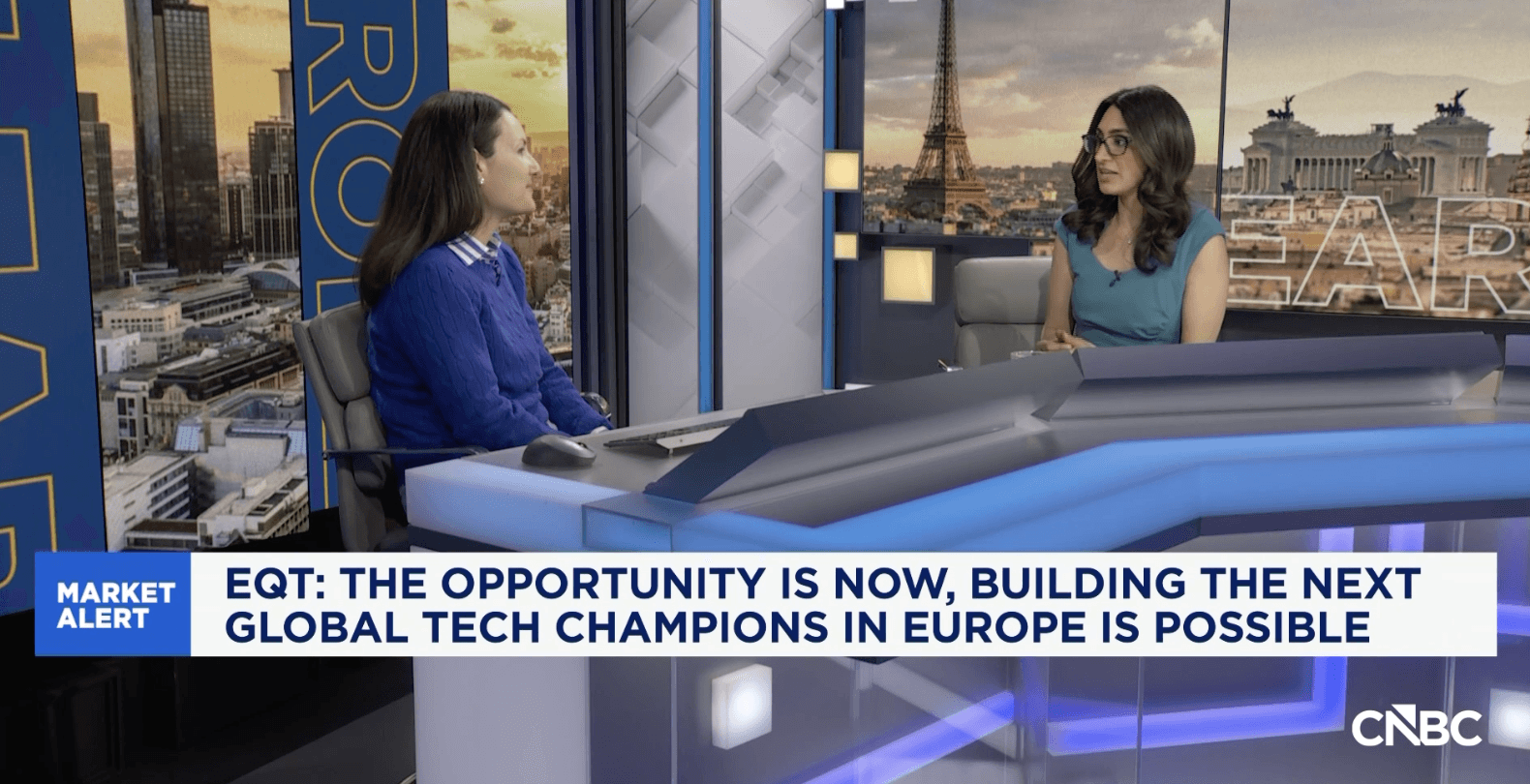
Last week, Carolina Brochado, Head of EQT Ventures, joined CNBC’s Squawk Box Europe in conversation with Ritika Gupta to discuss Europe’s position in the global tech race, and why the opportunity is far from lost.
Below is a snapshot of the key themes from the discussion.
Is Europe falling behind in tech, or is the opportunity still ahead?
Carolina’s view is clear: Europe remains a uniquely strong environment for building technology companies. The region combines world-class academic institutions with a long history of producing category-defining businesses, from DeepMind to Revolut.
What’s changing now is the urgency. As AI reshapes industries, Europe has a renewed opportunity to compete, particularly in areas where it already has structural strengths.
What’s holding Europe back today?
The core constraint remains capital.
While Europe has a thriving early-stage ecosystem, there is still a significant gap at the growth and IPO stages. Many companies continue to look abroad, particularly to the US, for deeper capital markets and more attractive listing environments.
But it’s not just about funding. Europe’s fragmentation adds operational complexity, with companies scaling across multiple languages, regulatory systems, and markets from day one.
At the same time, this has shaped a different kind of founder.
Do these constraints create stronger companies?
In many ways, yes.
European founders are often forced to think globally earlier, operate with tighter capital discipline, and build with a sharper focus on unit economics. When companies from Europe do scale, they tend to do so with more resilient and efficient growth models.
Where can Europe win in AI?
While much of the AI conversation has focused on large-scale models and infrastructure, Carolina highlighted Europe’s edge in what she described as “physical AI”, applications rooted in the real world.
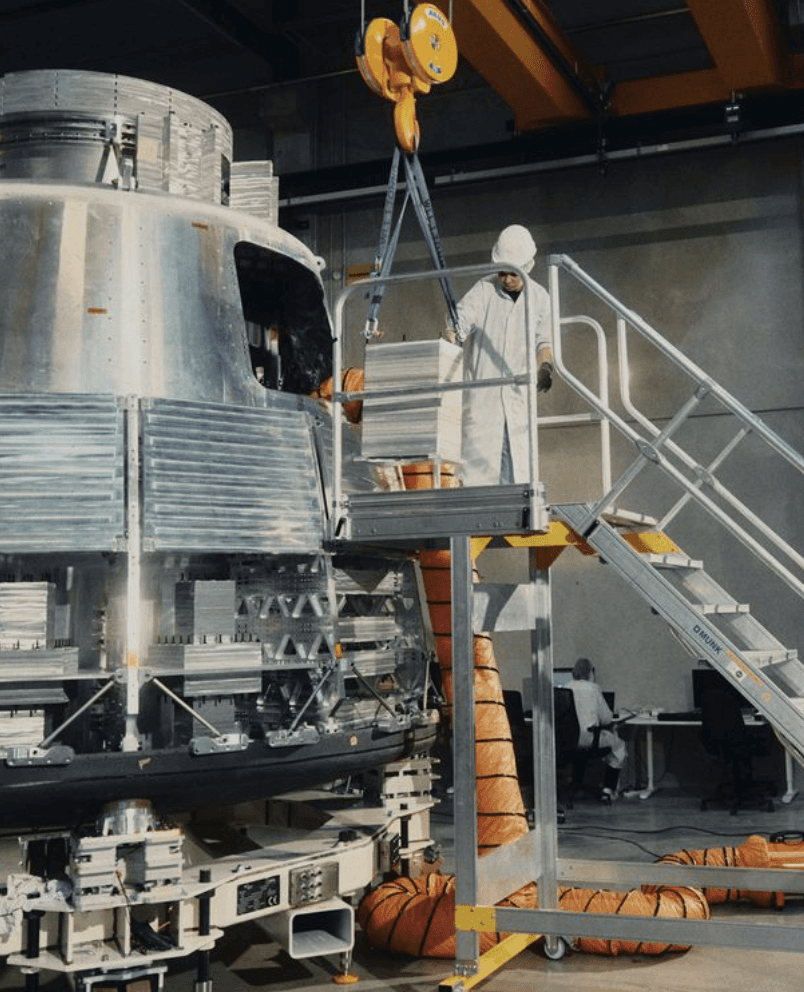
With a deep industrial base and strong research institutions, Europe is well positioned in areas like robotics, energy systems, and advanced manufacturing. Companies like 1X, EQT’s Norwegian portfolio company building humanoid robots, are early examples of this shift from purely digital AI to embodied intelligence.
Is AI disrupting software, and are moats disappearing?
The impact of AI on software is more nuanced than the “software is dead” narrative suggests.
What is clear is that some traditional moats are weakening. The speed and cost of building software have decreased dramatically, making it easier to replicate features and products.
However, not all defensibility is disappearing. Carolina pointed to proprietary data and network effects as enduring advantages. In this new landscape, value is shifting, from how quickly you can build, to what you uniquely control and how deeply you are embedded in workflows.
What needs to change for Europe to build trillion-dollar companies?
According to Carolina, it’s not a question of talent or ambition, both are already present.
The gap lies in capital formation across all stages, particularly at scale, and in creating an environment where companies can grow and operate more seamlessly. This includes everything from deeper capital markets to more flexible frameworks for hiring, incentivising, and scaling teams.
A defining moment for European tech
Despite geopolitical uncertainty, the broader tone was one of optimism.
AI represents a structural shift, not just a technological one, but an opportunity to reshape where and how global companies are built. For Europe, the ingredients are already there. The challenge now is execution.
As Carolina put it, the opportunity is not behind us, it’s happening now.
More to read
20 articles