5min read

Authors
EQT Ventures
Europe’s technology ecosystem has changed dramatically over the past decade. More ambitious companies are being created, founders are building globally from day one, and new pools of growth capital are emerging.
But many of the barriers facing those companies remain stubbornly fragmented: raising later-stage capital, hiring and rewarding talent across borders, selling to governments, accessing public markets and simply operating across 27 different national systems.
On 1 October, Allied For Startups and the European Startup Network are coming together to launch Startups for Europe, a new organisation bringing together more than 40 national startup and scale-up associations alongside founders, investors, corporates, universities and policymakers. Its ambition is to give Europe’s startup ecosystem a stronger collective voice at a moment when many of the policies determining its competitiveness are being shaped.
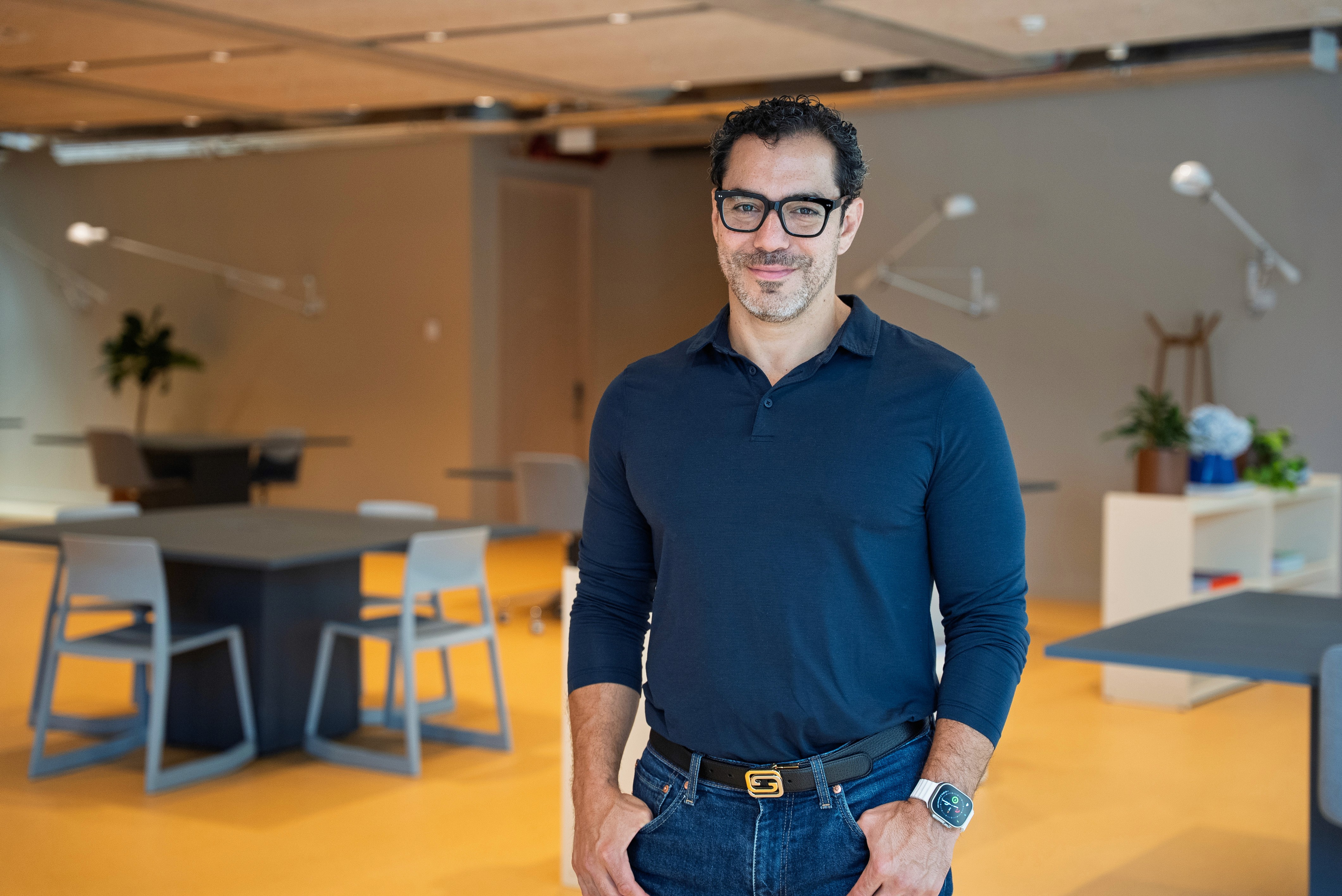
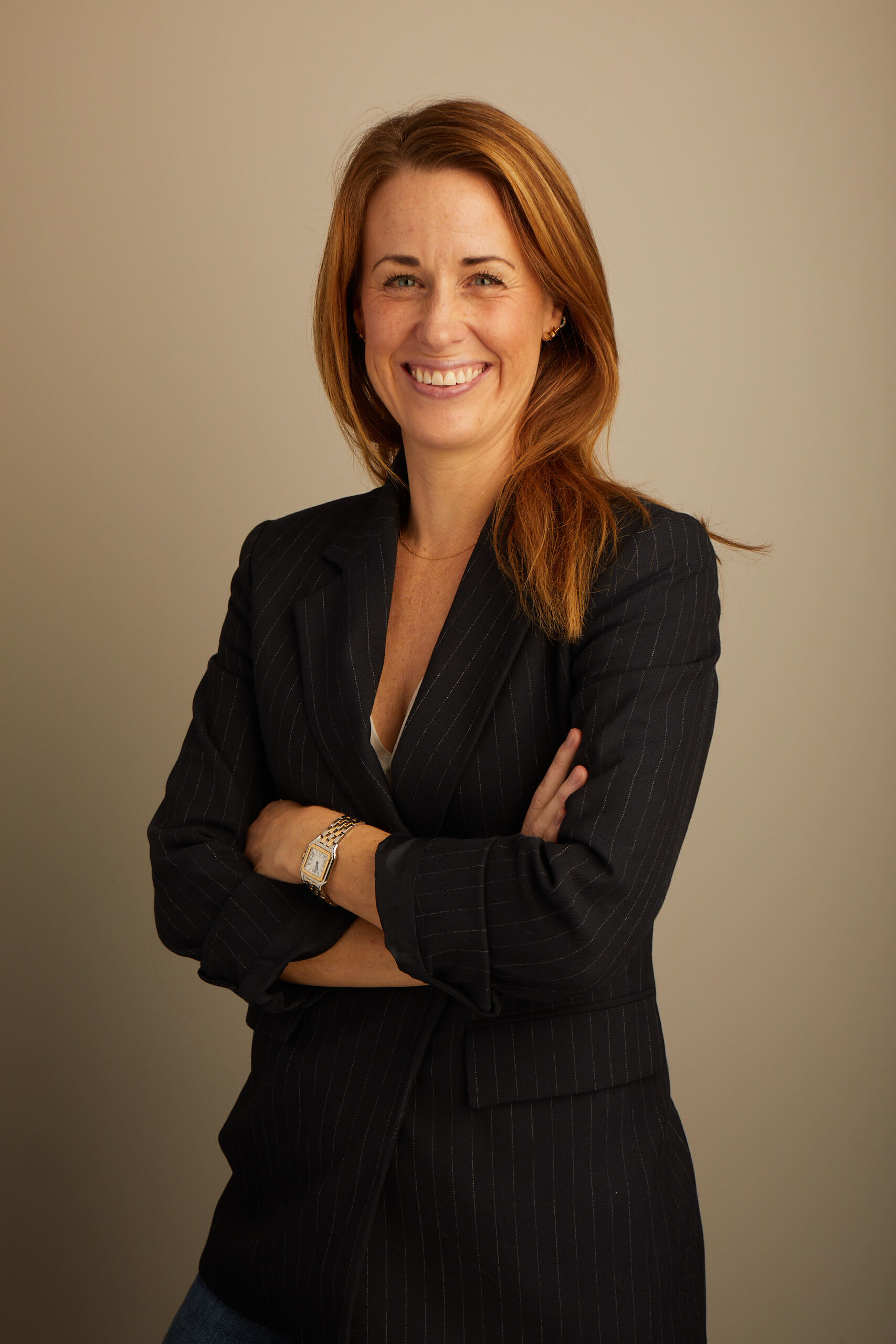
EQT is joining as a founding partner, with Victor Englesson, Partner at EQT and Co-Head of the Scaleup Europe Fund, taking a seat on the advisory board.
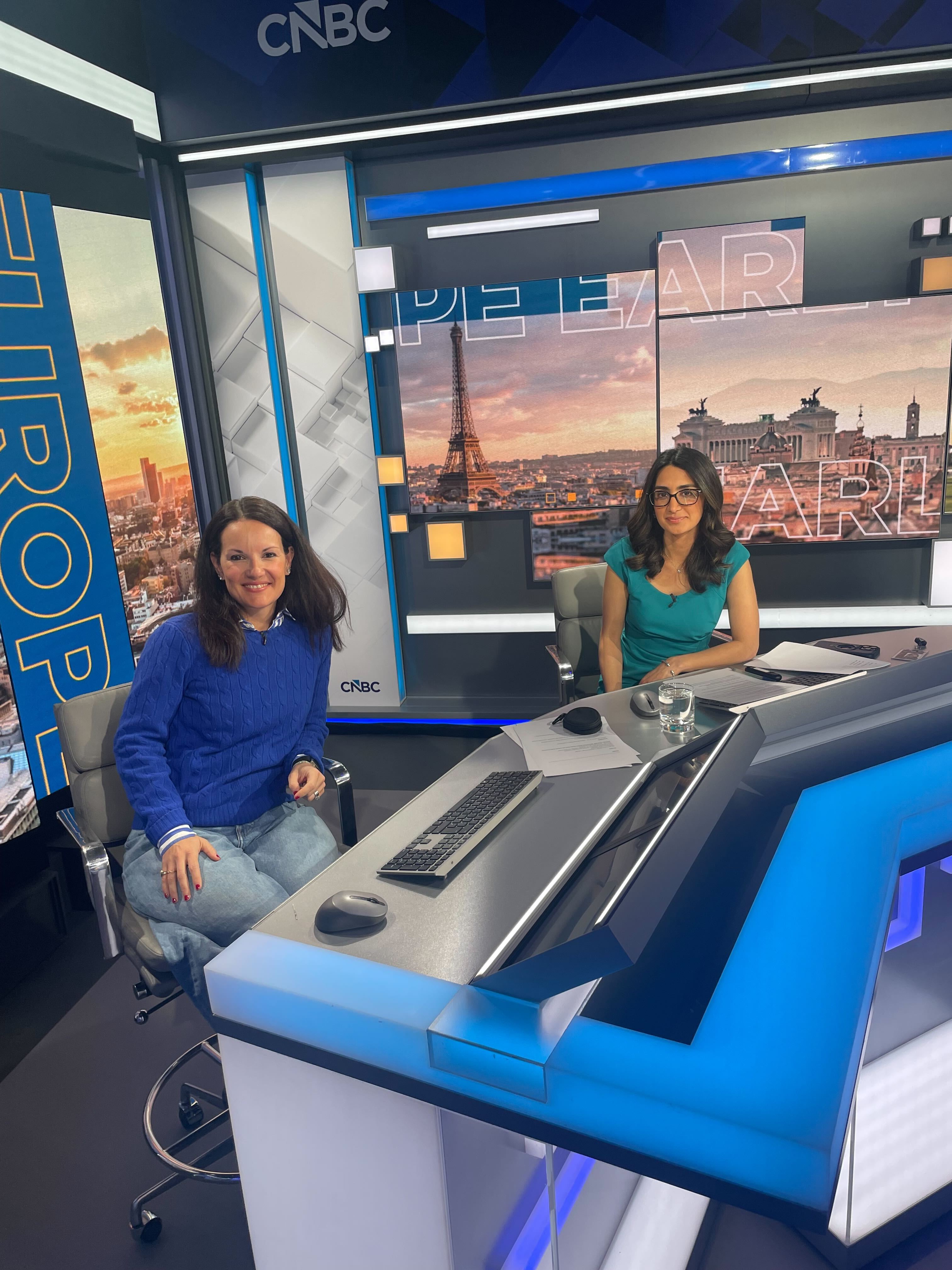
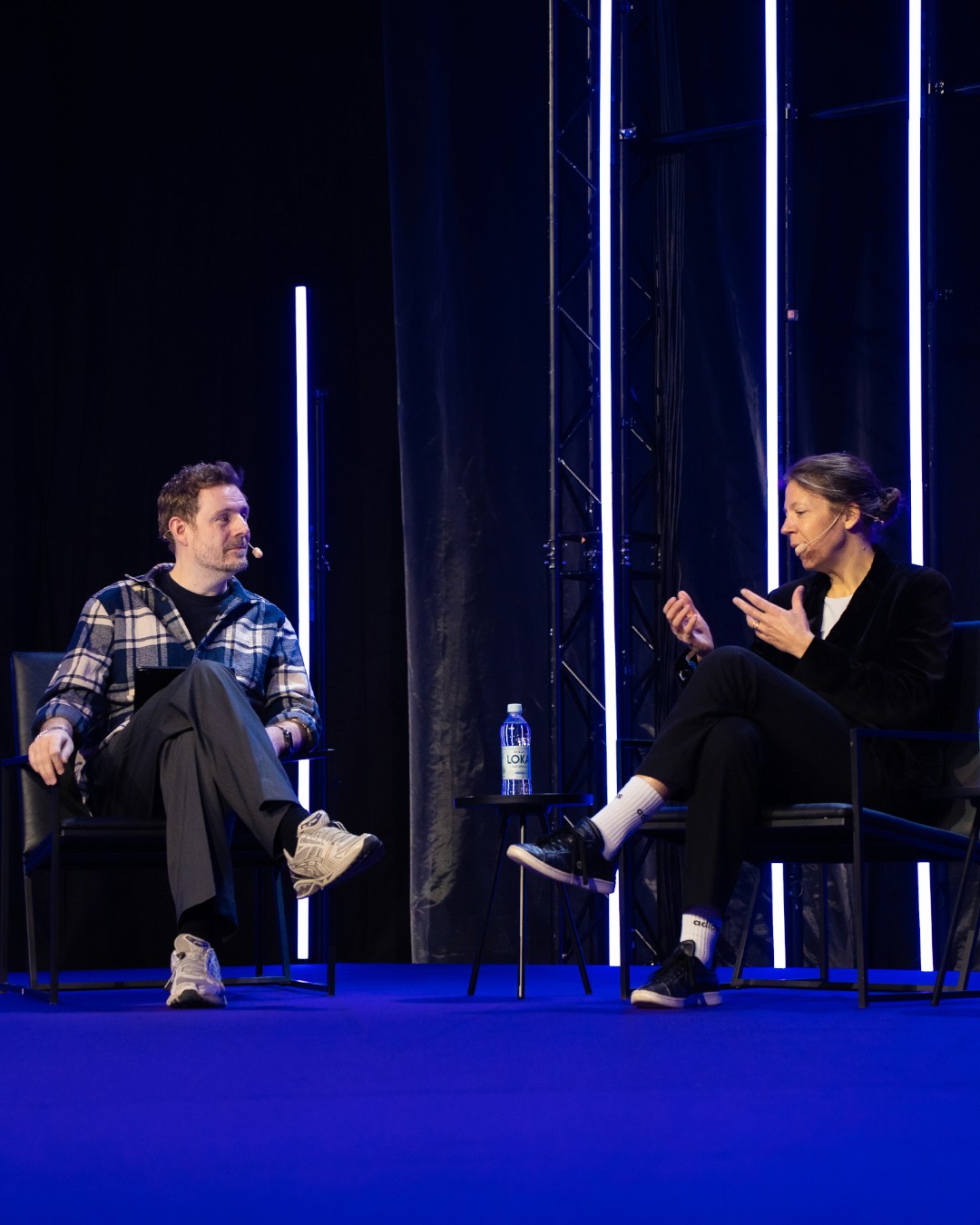
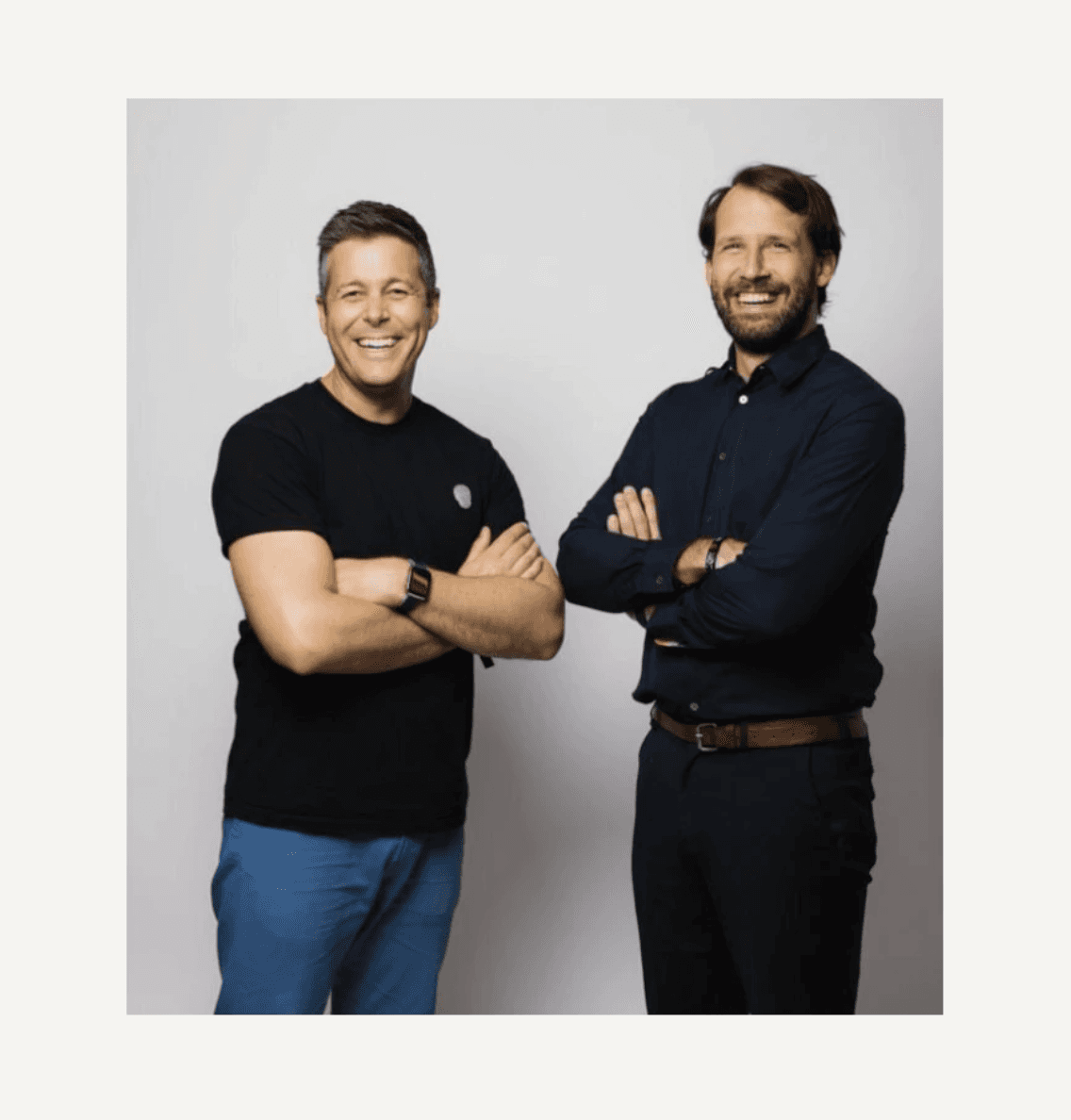
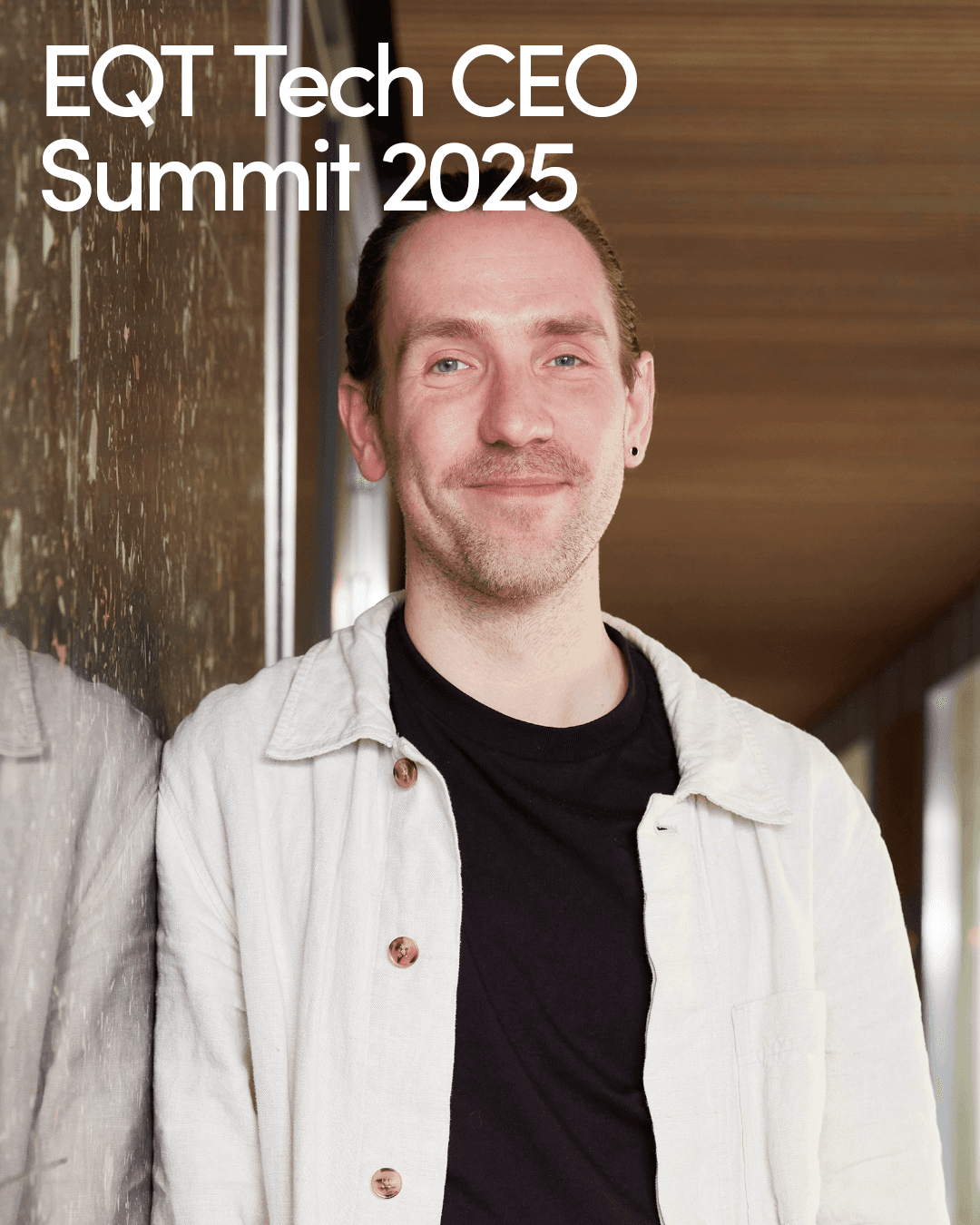
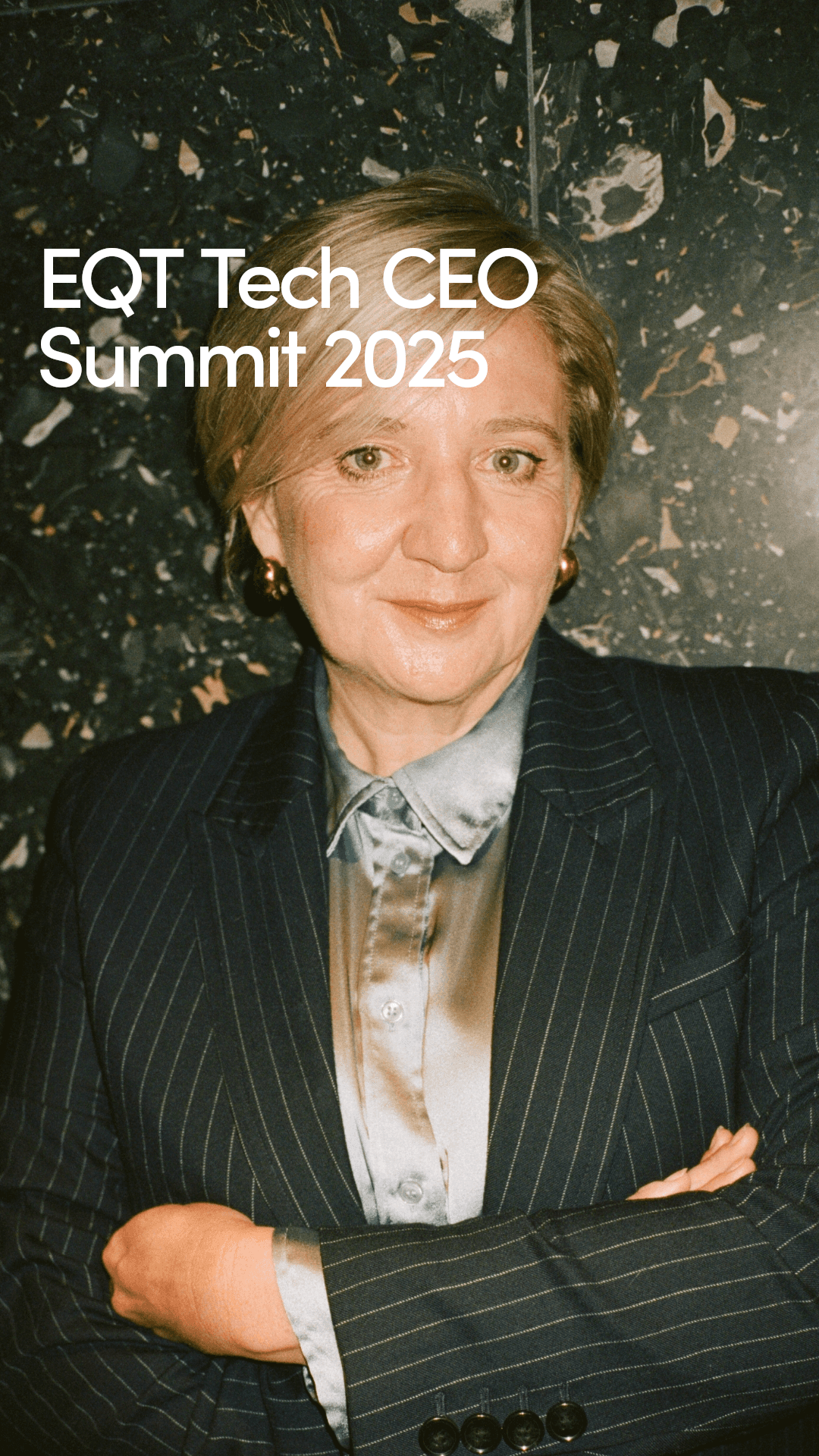
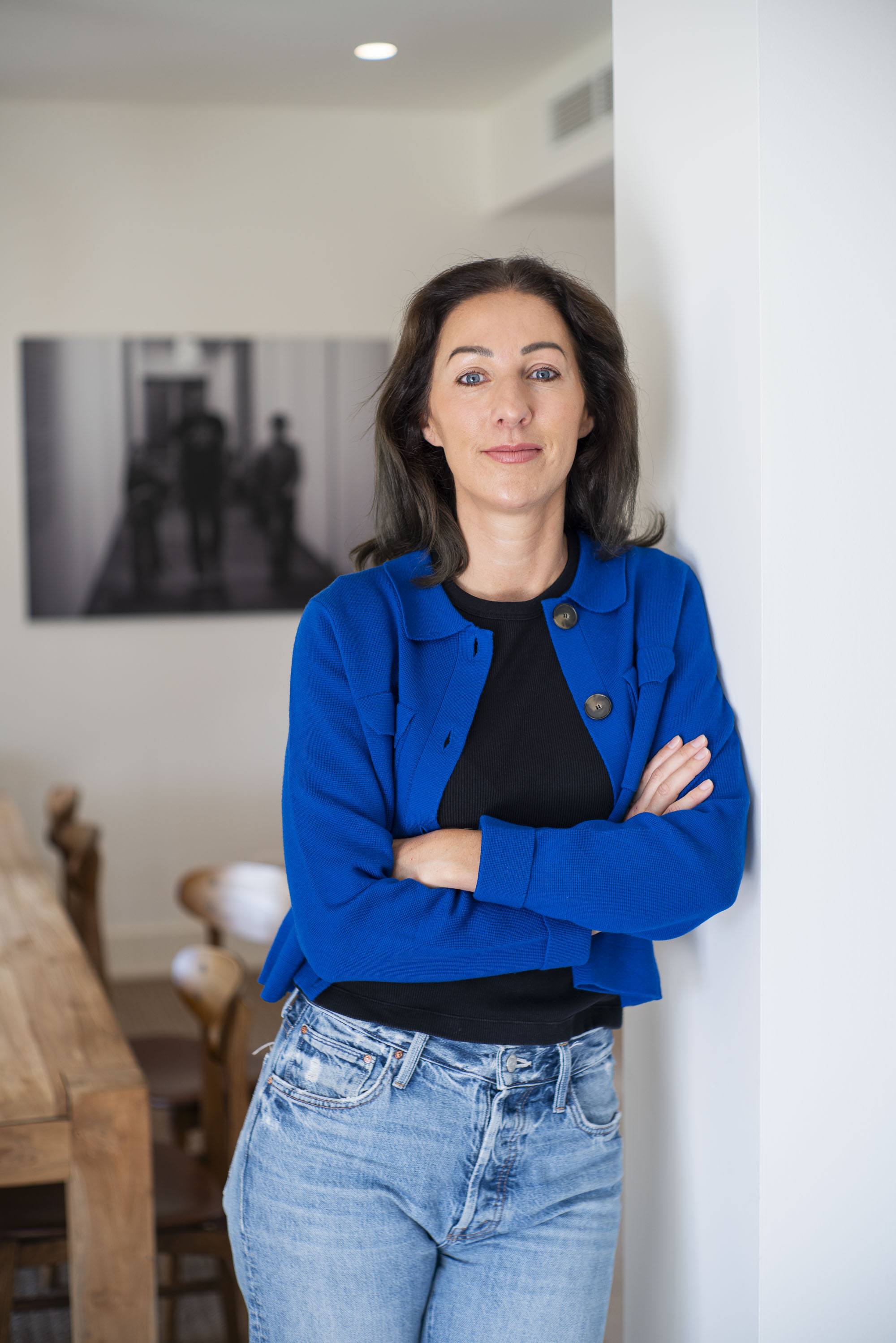
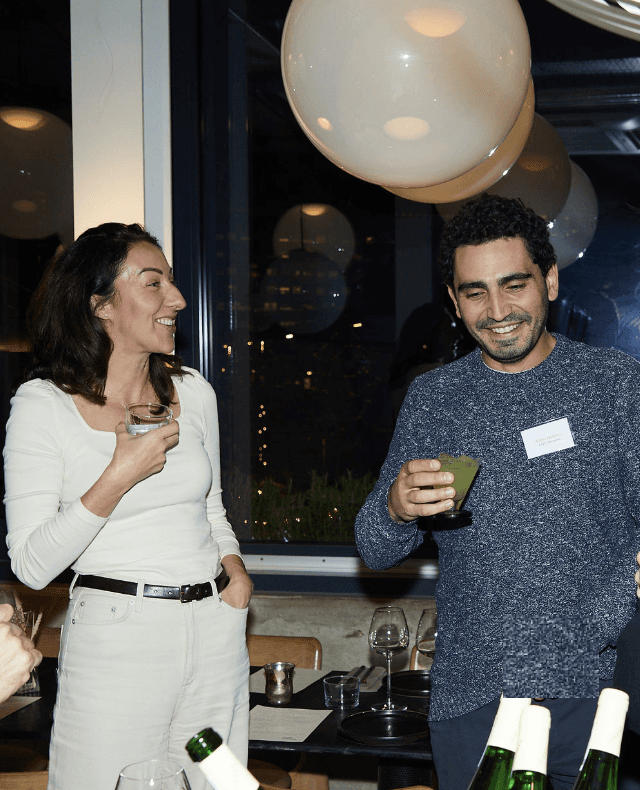
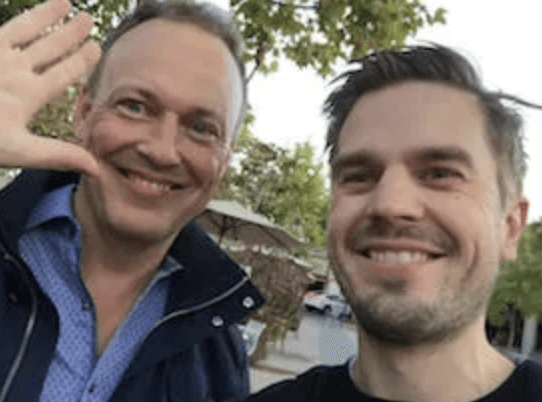
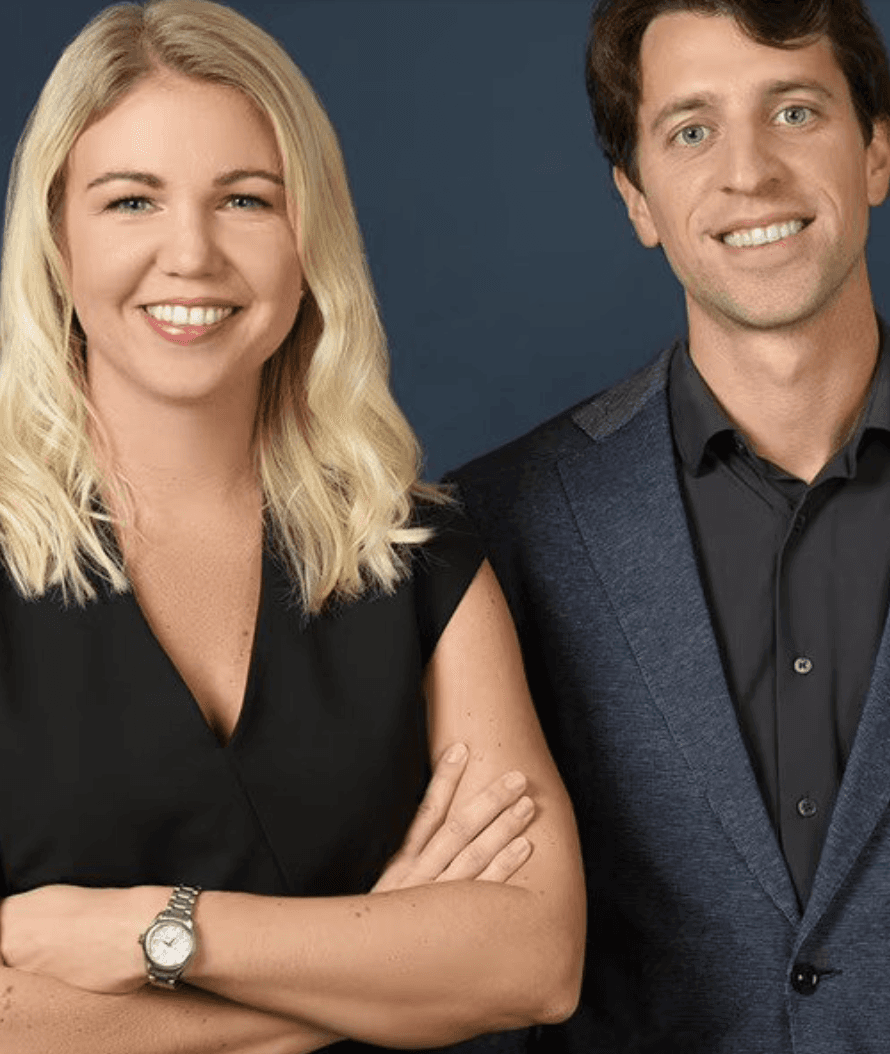
We sat down with Victor and Serena Borbotti-Frison, Co-Founder and CEO at Startups for Europe, to discuss what needs to change if more European technology companies are to become enduring global leaders.
Europe has spent years trying to create more startups. Has the challenge changed?
Victor Englesson: Absolutely. Europe’s early-stage ecosystem is significantly stronger than it was a decade ago. We have exceptional founders, research institutions and technical talent, and we are increasingly seeing companies being built with global ambition from day one.
The challenge becomes more visible as those companies succeed. Can they raise €100 million or €200 million rounds from Europe? Can they recruit globally? Can governments and large European companies become customers? Can they operate across Europe as easily as they can across one domestic market?
We need to move the conversation from simply creating startups to creating the conditions for the strongest companies to keep compounding.
Serena Borbotti-Frison: The ambition of Europe’s founders has changed enormously. They are no longer building for one country and then thinking about Europe later; many are global from the beginning. But they still encounter national barriers as they grow.
The ecosystem has evolved faster than many of the systems around it, and that is what we now need to address.
Why launch Startups for Europe now?
Serena: Europe’s startup community has often spoken with fragmented voices. Yet many of the challenges founders face are fundamentally European: access to capital, talent, customers and a genuinely functioning Single Market.
By bringing together more than 40 national associations with founders, investors and other parts of the ecosystem, we can be much clearer about what companies actually need to build and scale from Europe.
There is real political momentum behind startups and scale-ups today. Our job is to turn that momentum into practical change and make sure the people building companies have a voice as those decisions are made.
Victor: Many of the right issues are now on the table. The question is whether they work together in practice.
Capital is one example. The Scaleup Europe Fund, managed by EQT, is one part of addressing the growth-capital gap, but capital alone won’t solve the scale-up challenge. Companies also need customers, talent and a functioning Single Market. We need to look at the entire environment around a company.
What are the biggest barriers Europe should tackle first?
Victor: I would highlight three.
First, capital at scale. The strongest European companies should attract the best investors globally, but Europe needs much greater capacity to invest alongside them.
Second, customers. Public procurement is hugely important. European governments and large companies need to become earlier customers of European technology.
Third, fragmentation. A founder shouldn’t have to navigate effectively 27 different systems as the company grows. Initiatives such as EU Inc. matter because the promise of the Single Market needs to become much more tangible for companies.
Serena: Fragmentation sounds abstract until you look at it through a founder’s eyes. It means different rules when you hire, different approaches to employee equity, different processes when you expand and too much friction when you try to sell across borders.
Europe has an extraordinary Single Market on paper. We need founders to experience it as one in practice.
How important is growth capital to solving the problem?
Victor: It is critical, but we shouldn’t think about growth capital in isolation.
Europe has developed a much stronger early-stage venture ecosystem. The gap becomes particularly visible when successful companies need significantly larger amounts of capital to continue scaling. The strongest companies should attract international investors, but Europe also needs investors capable of participating at meaningful scale.
We also need to create the conditions for founders to keep taking risks, building for the long term and maintaining meaningful ownership as their companies grow. Venture is driven by power laws, and Europe needs an ecosystem where its exceptional companies have the capital and time to keep compounding at scale.
That includes unlocking more of Europe’s institutional capital. If stronger outcomes attract more pension funds, insurers and other long-term investors into European technology, that can create a flywheel: more capital allows companies to remain independent and compound for longer, which in turn creates stronger outcomes for founders, employees and earlier investors.
Ultimately, the question isn’t simply whether Europe can finance a round. It is whether we can build a financing ecosystem that remains useful throughout a company’s journey.
What does Europe need to get right beyond capital?
Serena: Founders experience these issues as interconnected. It doesn’t help to improve access to capital if companies still face unnecessary barriers when they hire across borders, reward employees with equity, sell to governments or expand into another European market.
That is why the different initiatives now being discussed need to work together. Europe needs to think about the full journey of a company rather than solving each problem separately.
Victor: I completely agree. Europe already has many of the hardest ingredients: talent, research, founders and companies.
Now we need to make it easier for those companies to access customers, attract the world’s best people, operate across borders and keep raising capital as they grow.
What does success look like five or ten years from now?
Serena: Success would be a founder starting a company in Europe and thinking of the continent as one home market from day one. They should be able to incorporate, hire, reward employees, raise capital and find customers across Europe without unnecessary friction.
And success for Startups for Europe would ultimately mean that when Europe makes decisions affecting startups and scale-ups, founders and the ecosystem around them have a strong, coordinated voice in the room.
Victor: I’d like us to stop measuring success primarily by how many unicorns Europe creates.
The real test is how many of those companies become enduring global leaders: companies worth €10 billion, €100 billion and, eventually, Europe’s first trillion-euro technology company.
That requires an ecosystem that remains useful to companies long after the startup phase. If we get that right, Europe has all the ingredients to build significantly more of those companies here.
More to read
20 articles